We awoke to the trumpet call for morning prayer, and a lovely breakfast served by a smiling young monk.
Our guide took us down to the Rangjung Lakhang (temple) to receive a blessing of good fortune and compassion from the Khenpo (abbot) in which he chanted prayers, accompanied by our guides and several monks, and we were gifted blessed scarves and necklaces of protection.
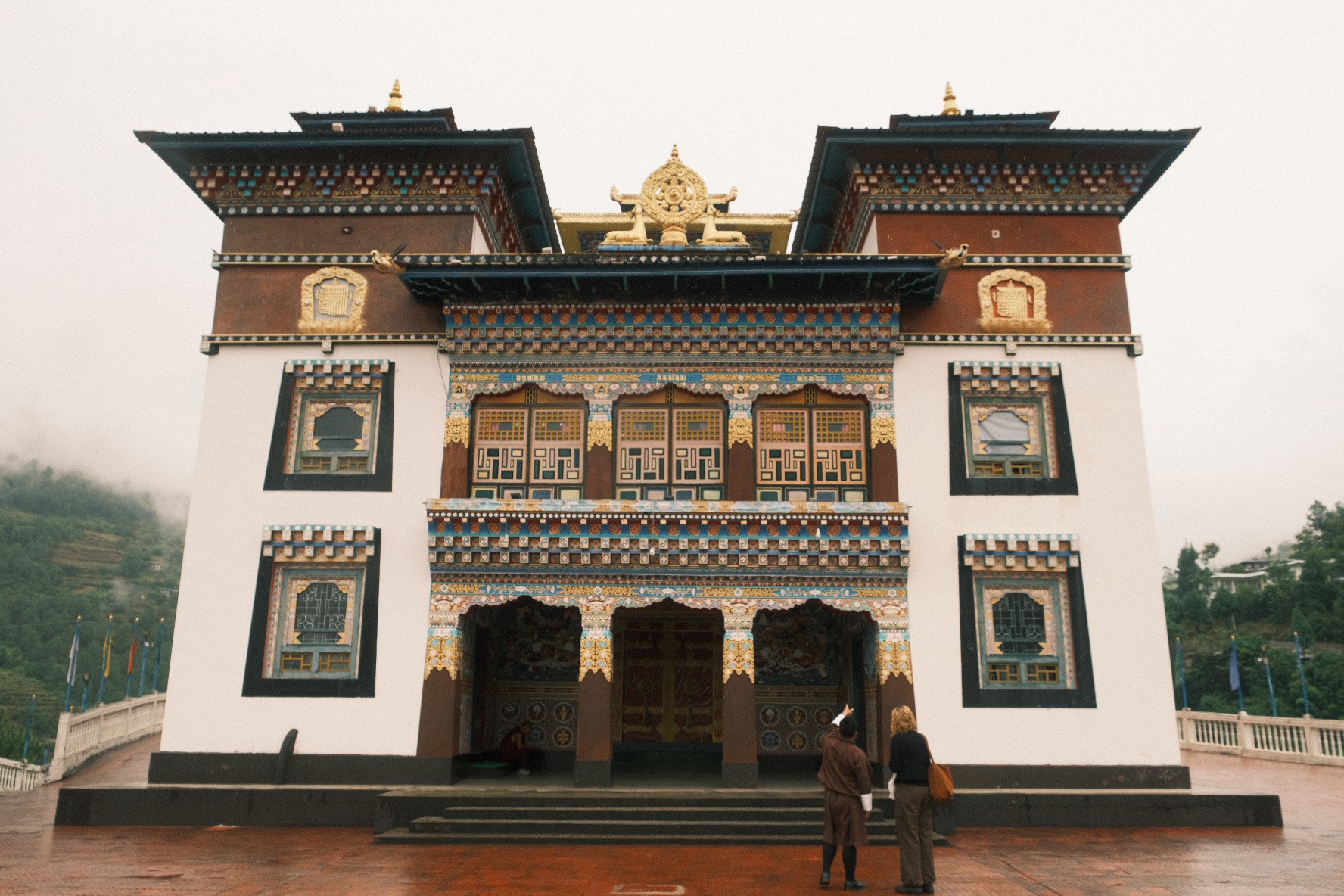

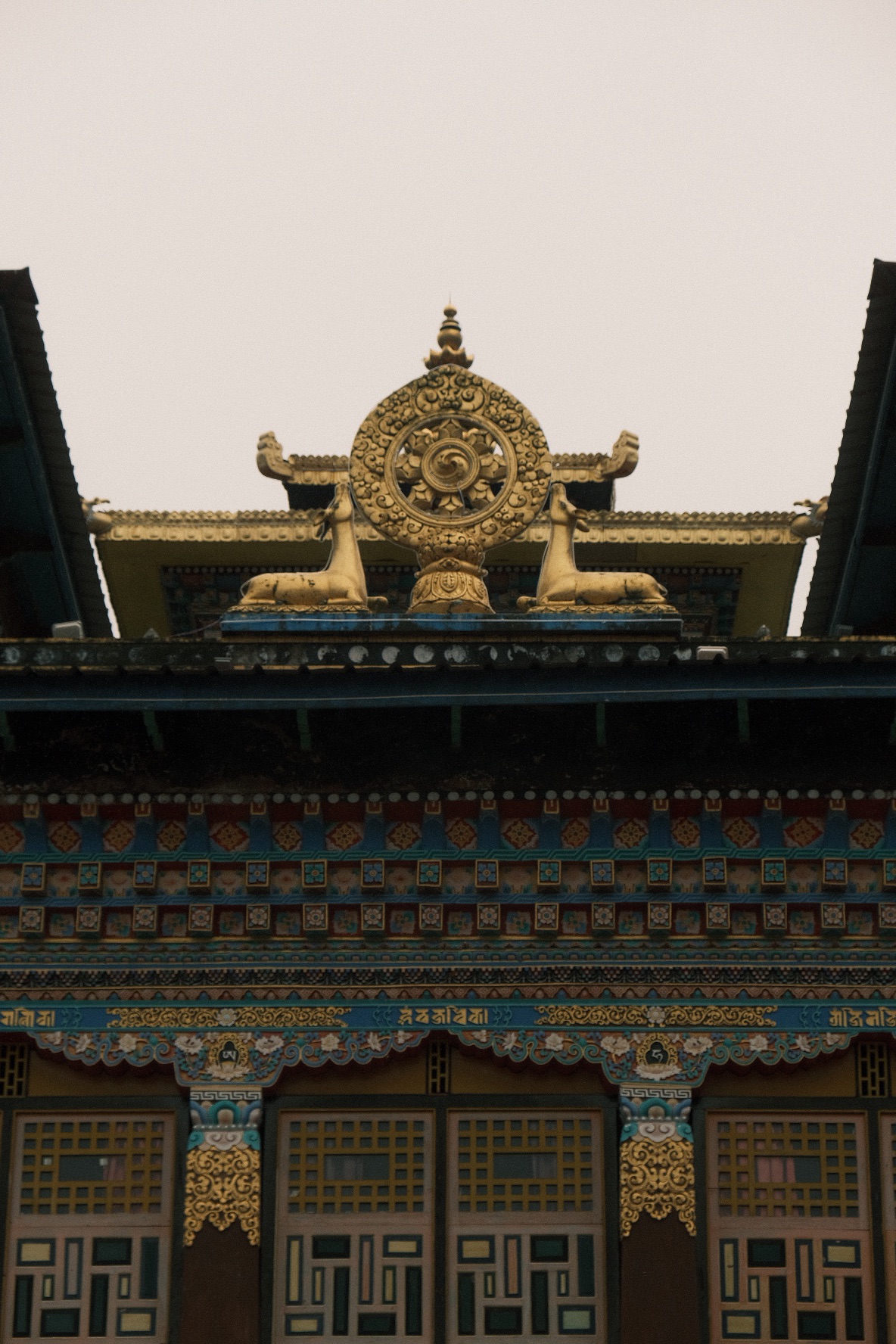
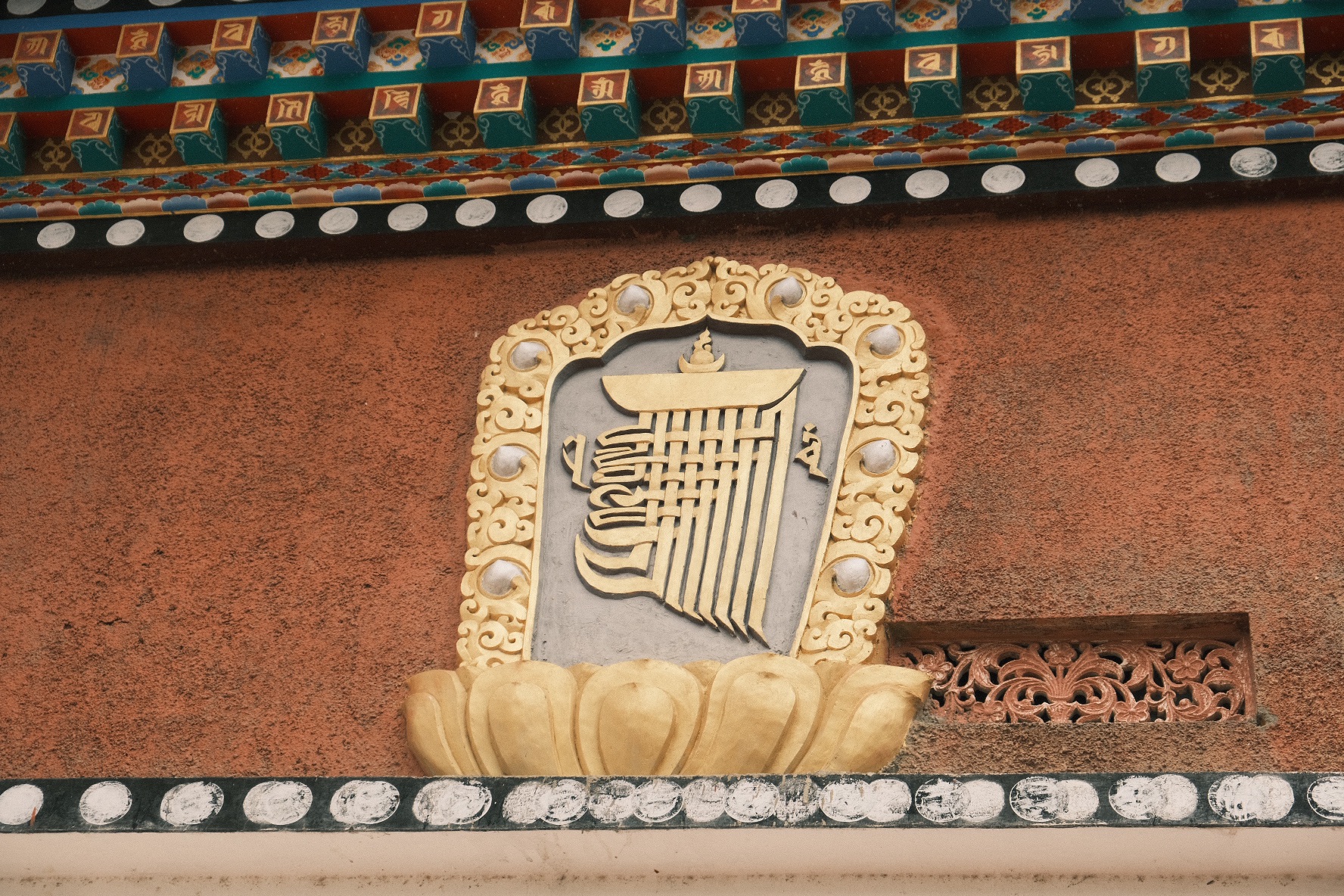
We visited the temple, a replica of another in Nepal —the design of which was reportedly brought into Bhutan, carved out of a turnip— enjoyed a lovely view of the valley, and got back into the car to drive east, east, east.
Along the way, we stopped at a little tea shop and silk weaver, who kindly showed us some of her bura (raw silk weaves), but most of her stock was sent to Thimpu showrooms for the World Peace Prayer Ceremony — an immense Kalachakra, to be consecrated by thousands of monks over several successive days of prayer.
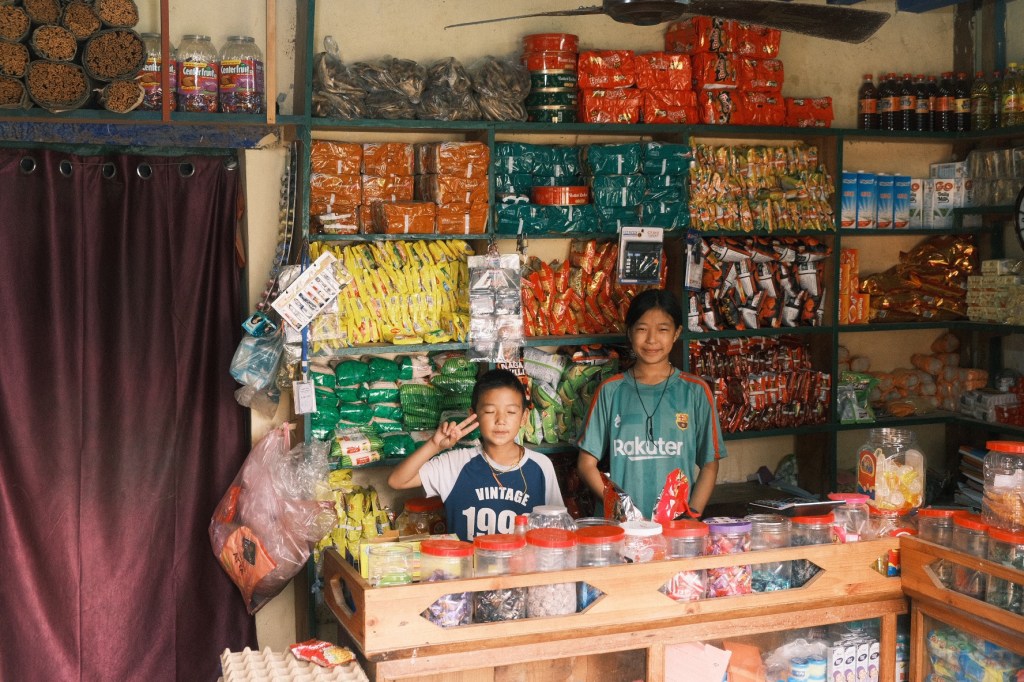
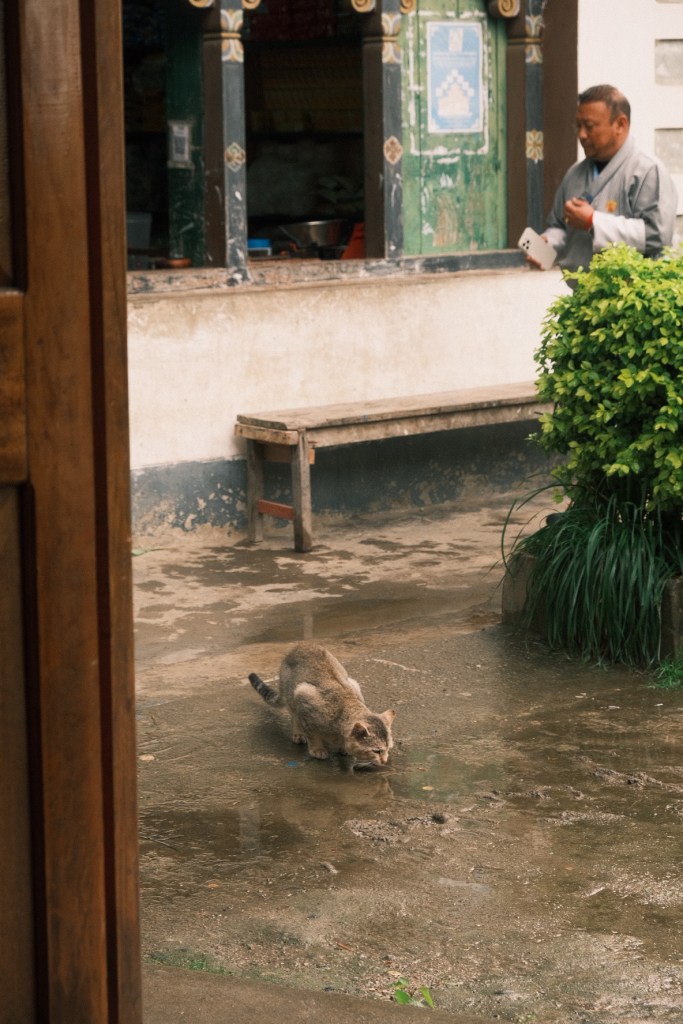
It had been our plan to visit Mongar —the easternmost district of Bhutan— since the beginning, and we were excited to be there at last.
The Brokpa People: According to their oral history, the Brokpa originate from the Tshoona region of Tibet and came to Bhutan after they beheaded a tyrannical king in their ancestral village. They are an indigenous ethnic tribe groub and speak their own language, which is totally different from Dzonka (the common language in Bhutan).
Brokpa are semi-nomadic yak herders who have lived largely in isolation since arriving to Bhutan. Several of their villages, like Sakteng, Tengma, and Borang Tse, still have no road access today. The only district you can safely visit by road (and that only during the dry season) is Merak, which we were on our way to.

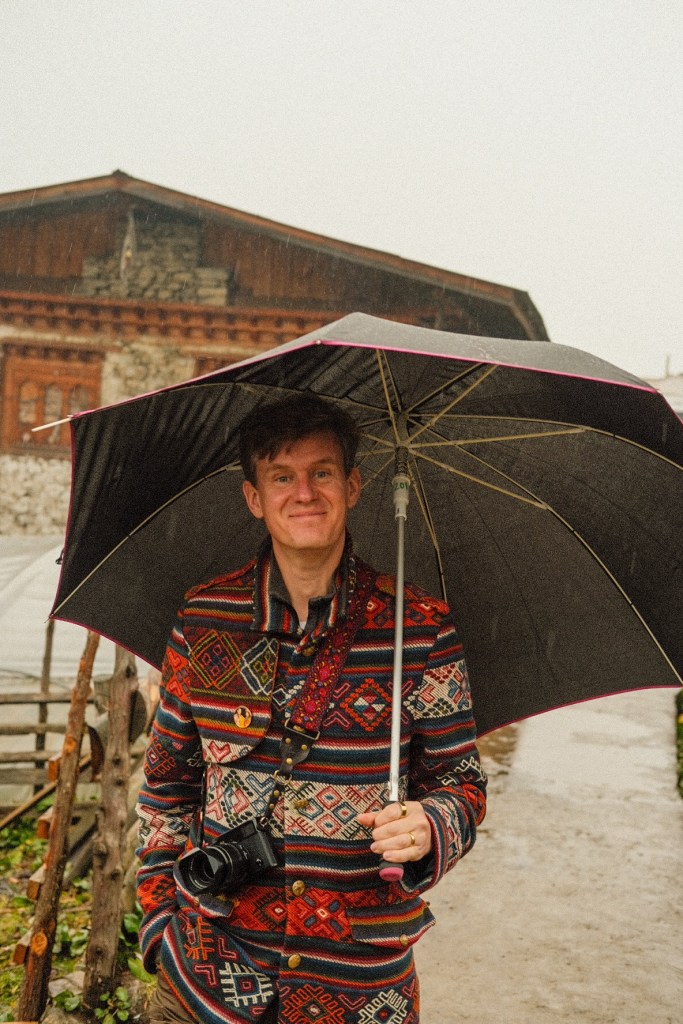
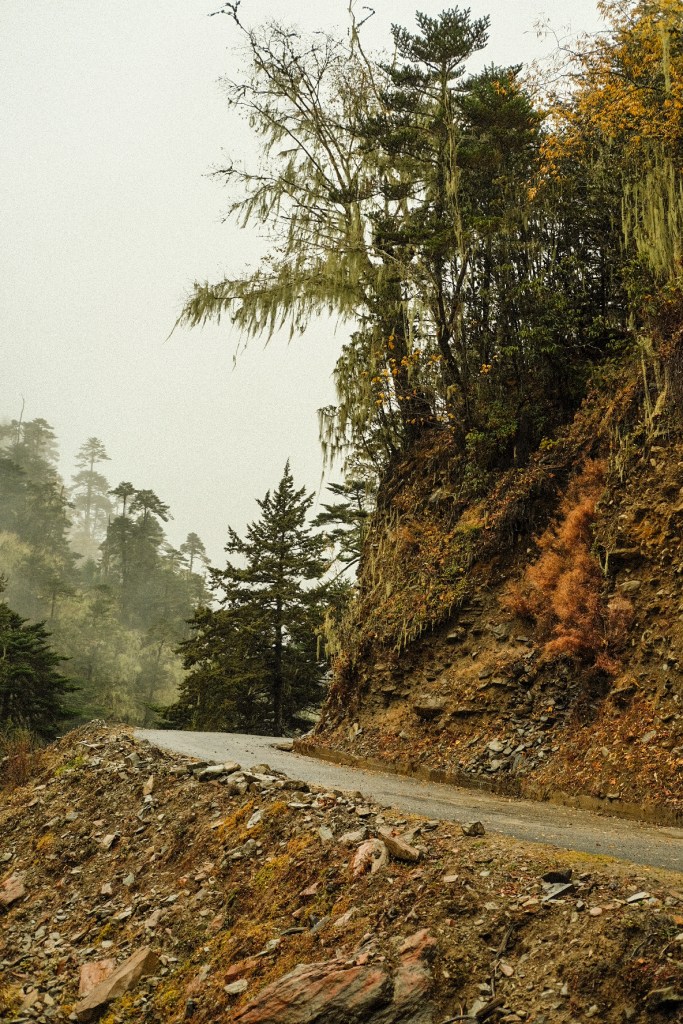
The way to Merak was a surreal delve into another world. Bright sunshine gradually gave way to thick fog as we rose into the highlands, and the road was suddenly hemmed in by the semi-nomadic Brokpa’s makeshift fences, designed to keep one family’s yaks from mixing with the other.
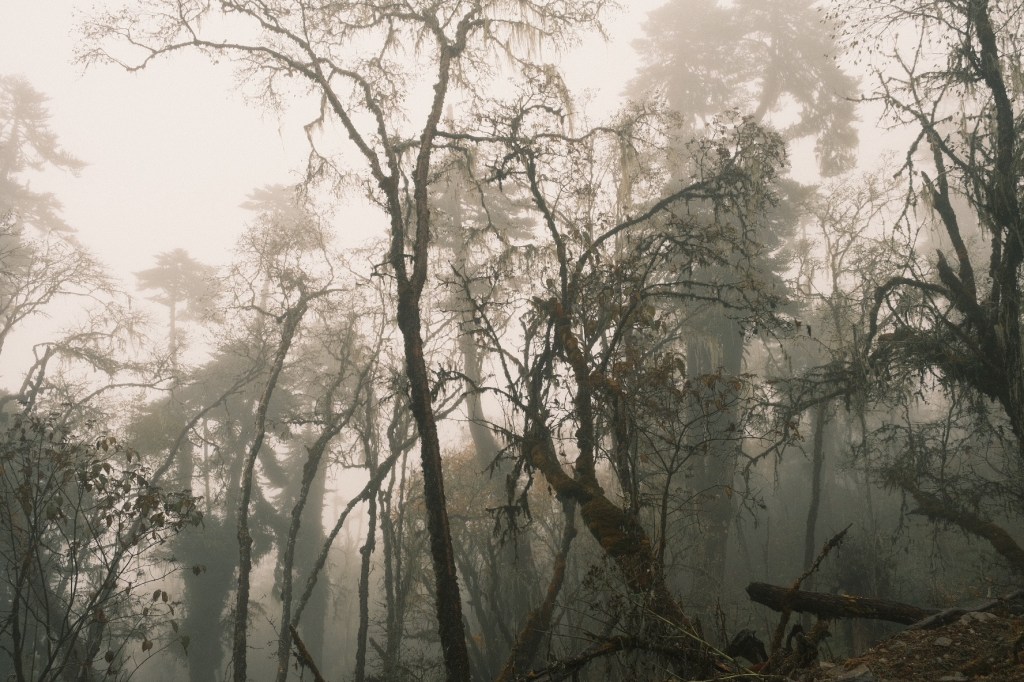

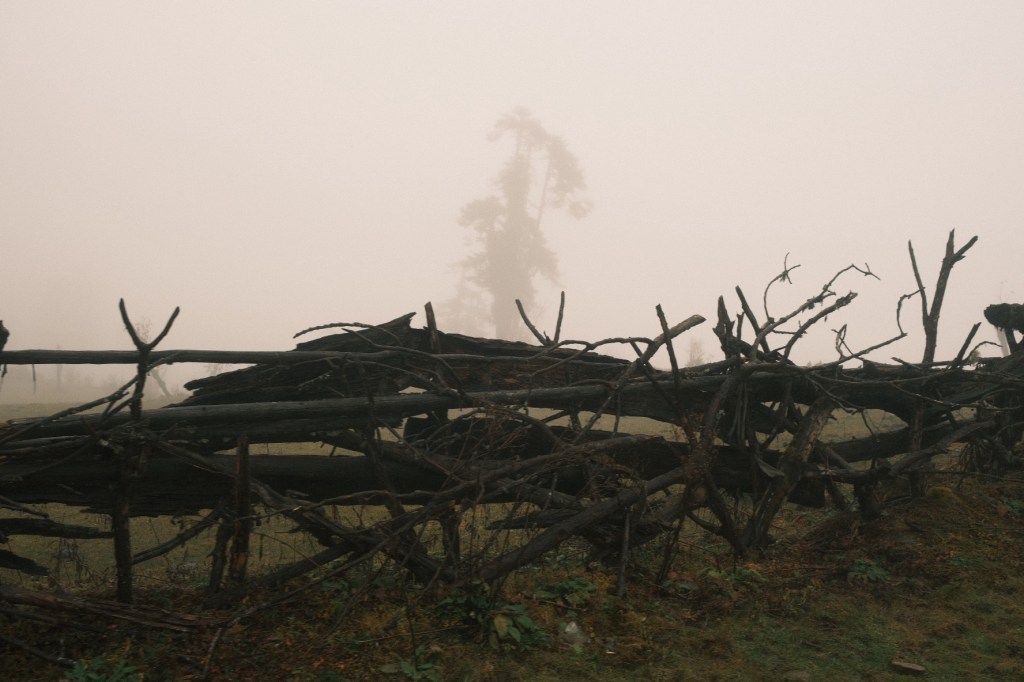
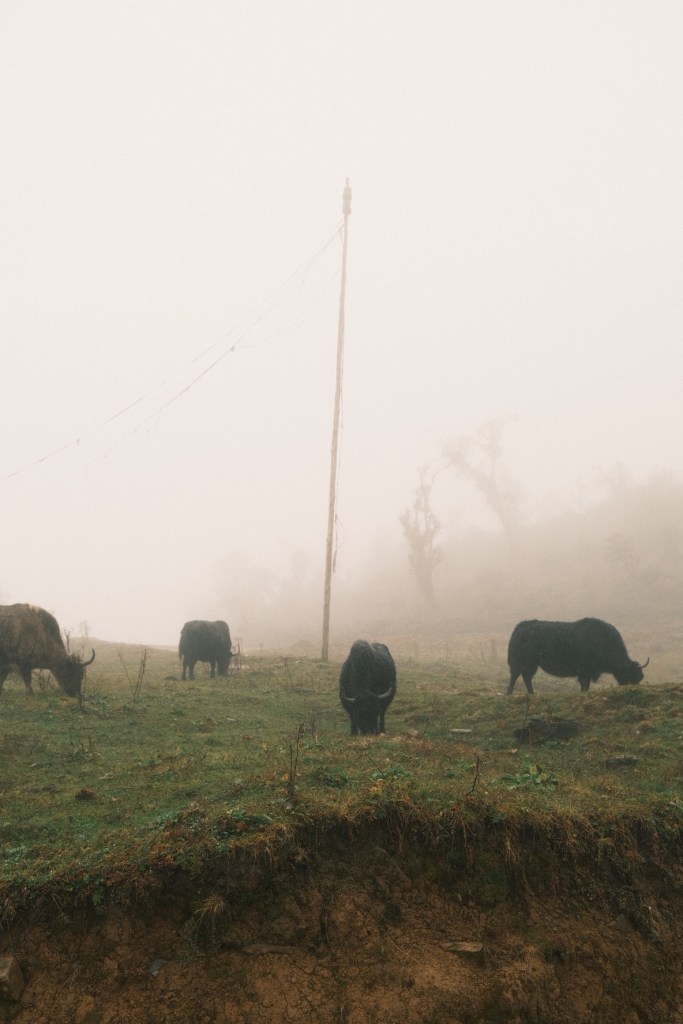
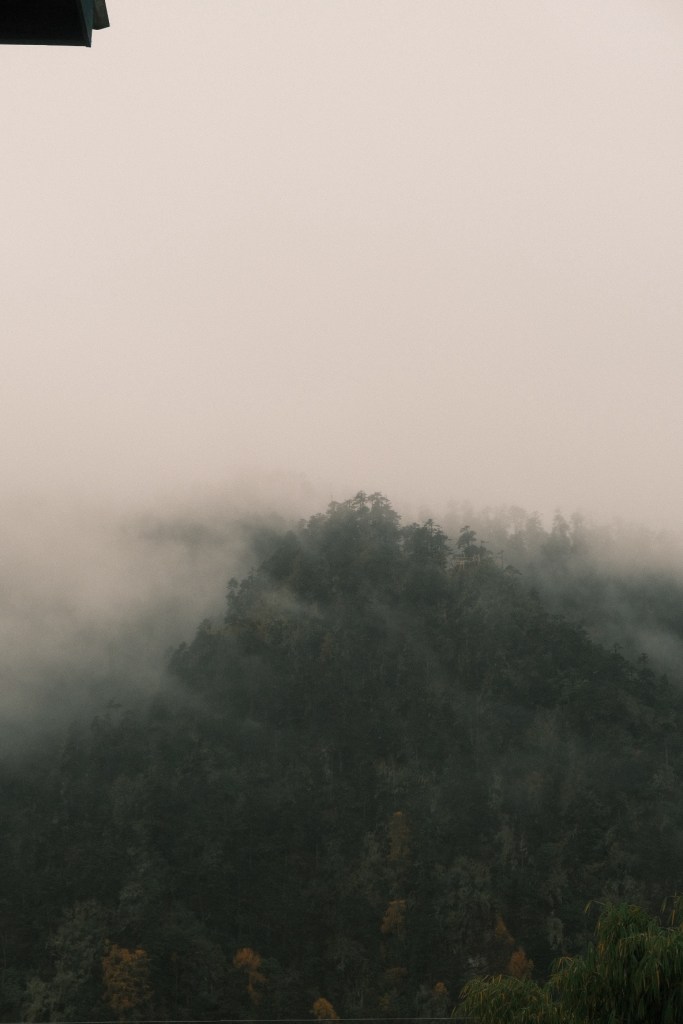


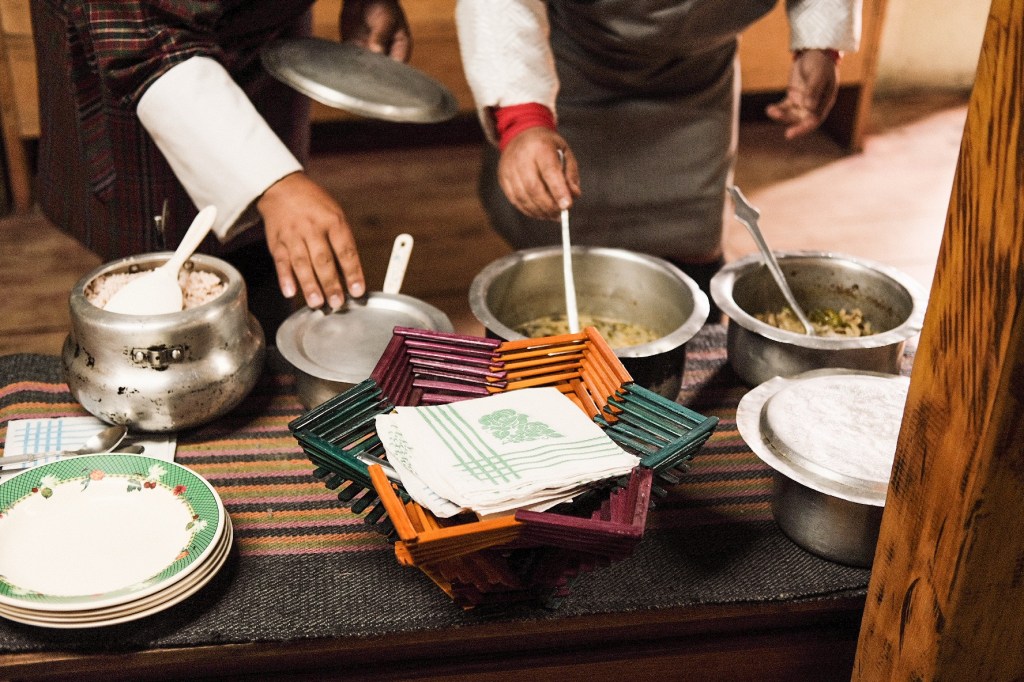
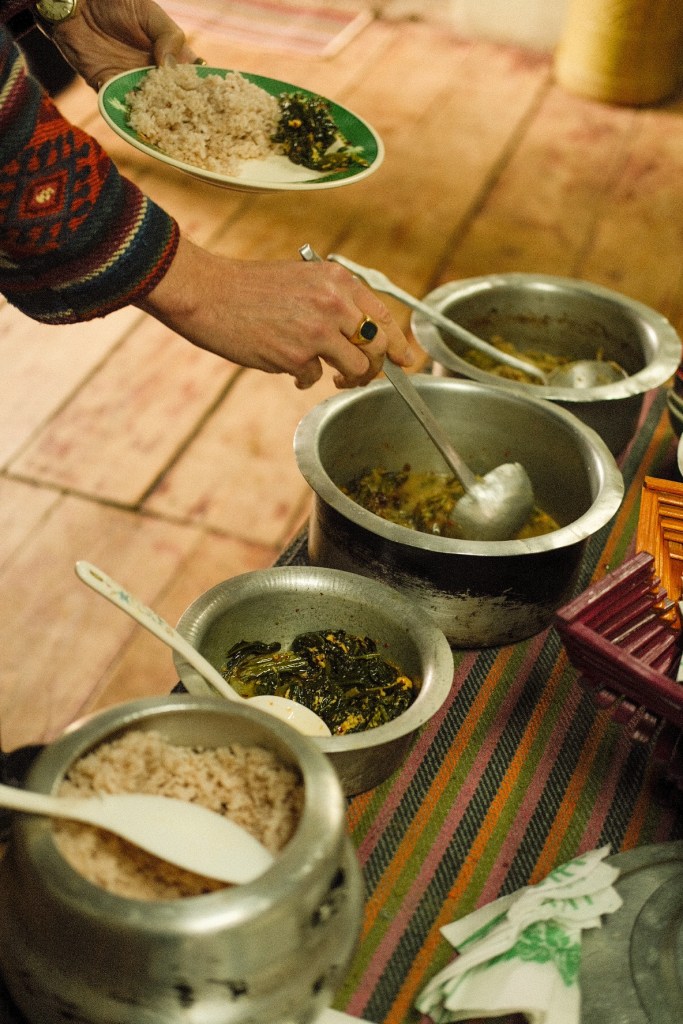
Merak itself was beautiful, if eerie, and Tashi brought us to the home of our Brokpa hostess, who had prepared food for us.
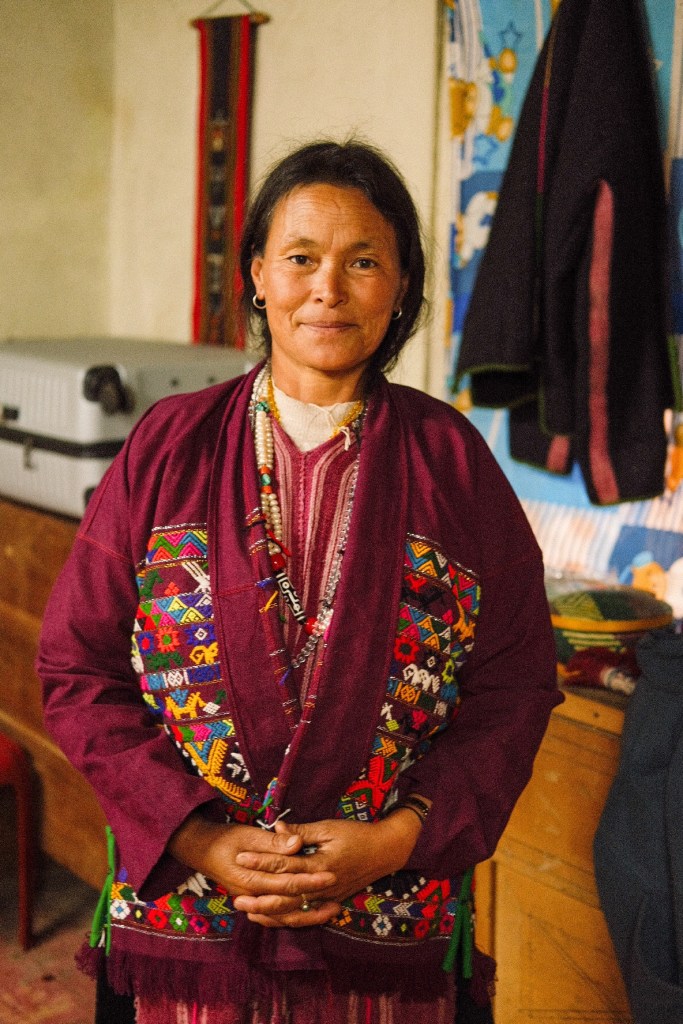


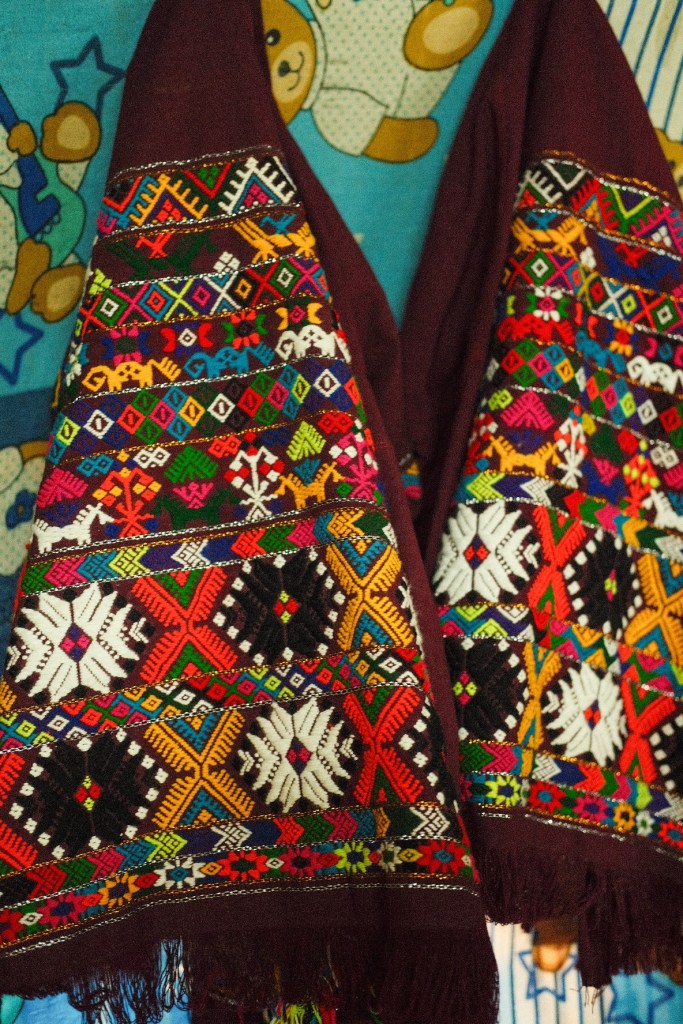
The Brokpa speak a different language from the eastern Bhutanese, so our guide and our hostess had some difficulty understanding each other, but she was incredibly kind, and luckily vegetarianism is not uncommon in Bhutan.
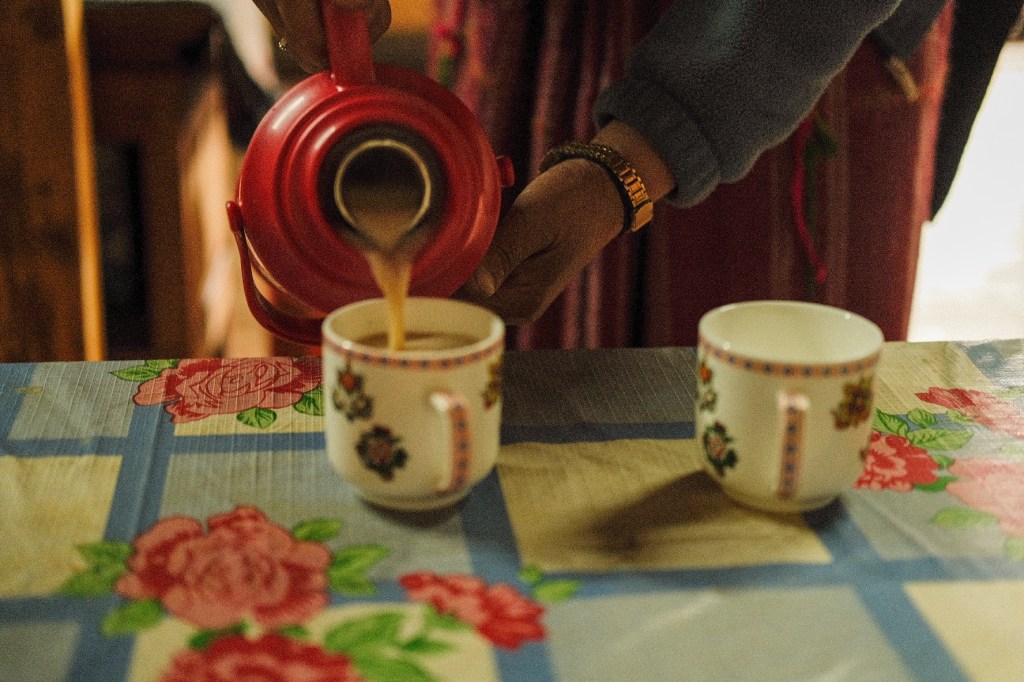
We were served red rice (as is common in Bhutan), a stew made with of a local herb that looks a little like turnip leaves and has a strong, bitter taste; wilted spinach with garlic, and potatoes in yak cheese along with sweet milk tea.



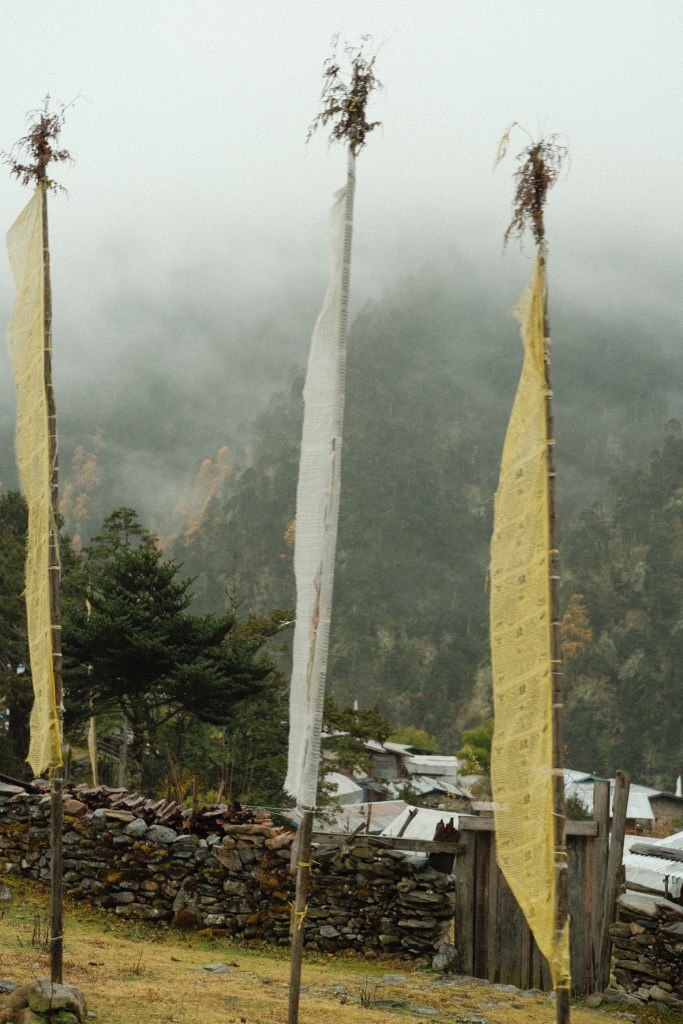
In recent years, Brokpa have become more sedentary, slowly evolving the village structure to larger houses that can be lived in throughout the year.
Though many Brokpa still live half of the year in the mountains, Merak itself is becoming more like a Bhutanese village.
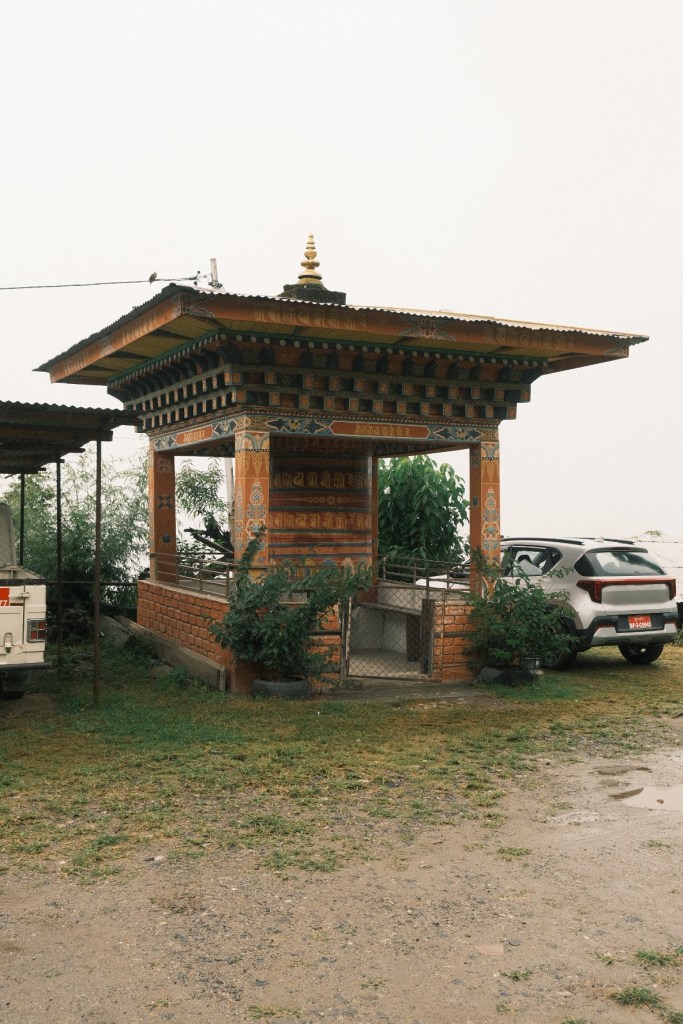
They have recently had new Prayer Wheels installed, as well as small general shops, and two homestays have opened to tourists.
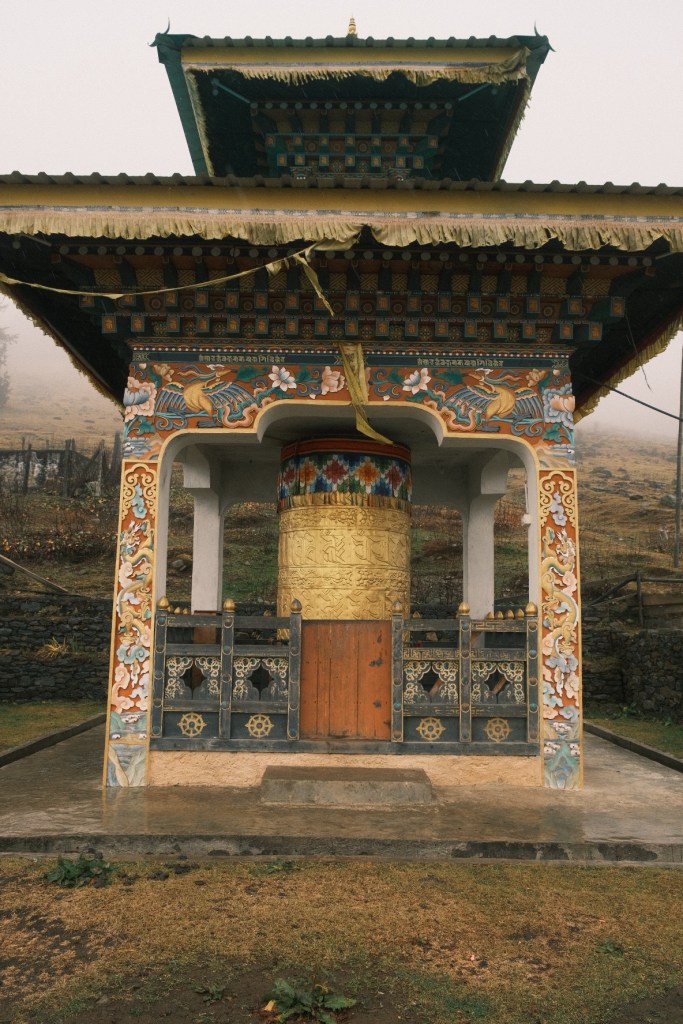
It is a long and winding road out of Merak, and we wanted to be at our destination before the nightfall so we made our way back in the late afternoon.
As with many streets in Bhutan, the traffic consisted mainly of cows, yaks, dogs or horses, and on our way down we soon found ourselves surrounded by Brokpa and their yaks, making haste for the lower valley as they feared snowfall in the upper regions.
While yaks are totally fine with snow, the more recent addition to their herd — cows, brought to Bhutan from Switzerland less than 100 years ago — are not, and need to winter in lower regions.
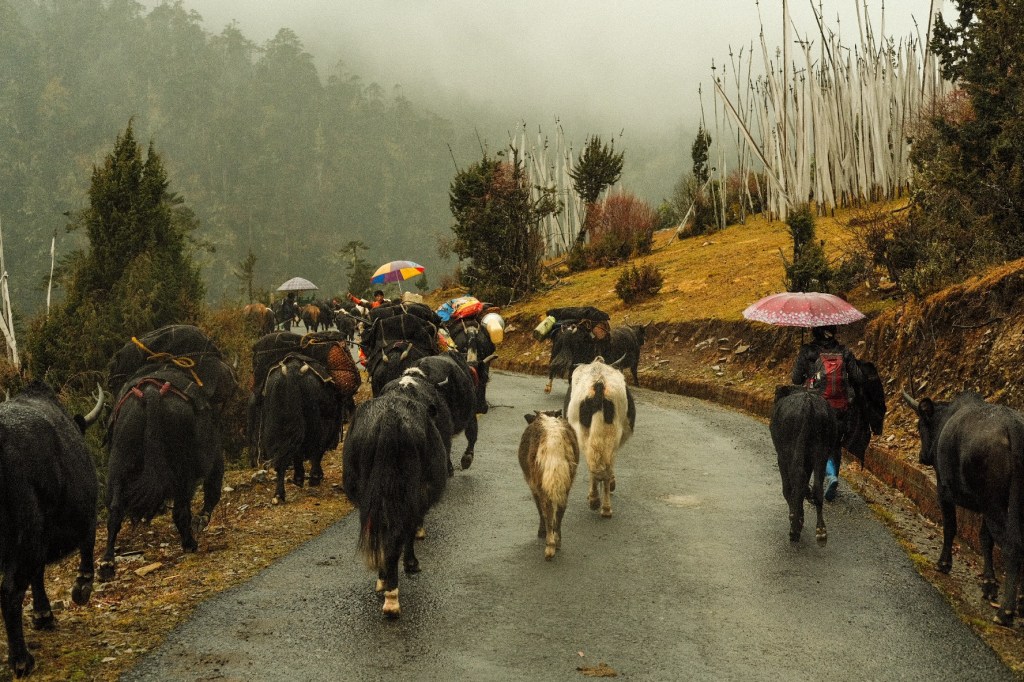
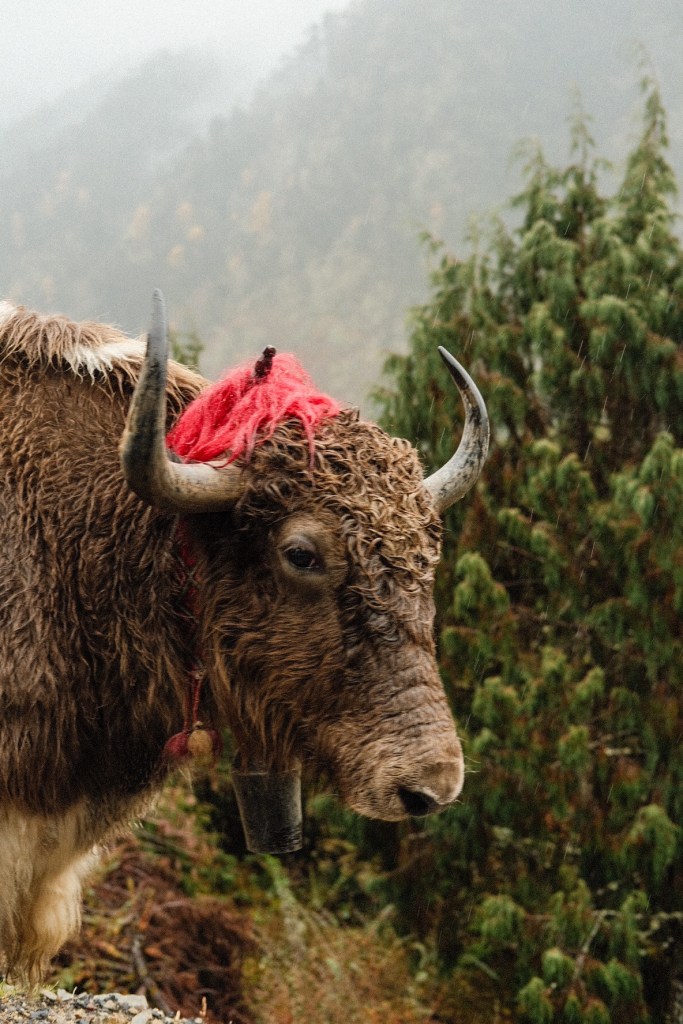
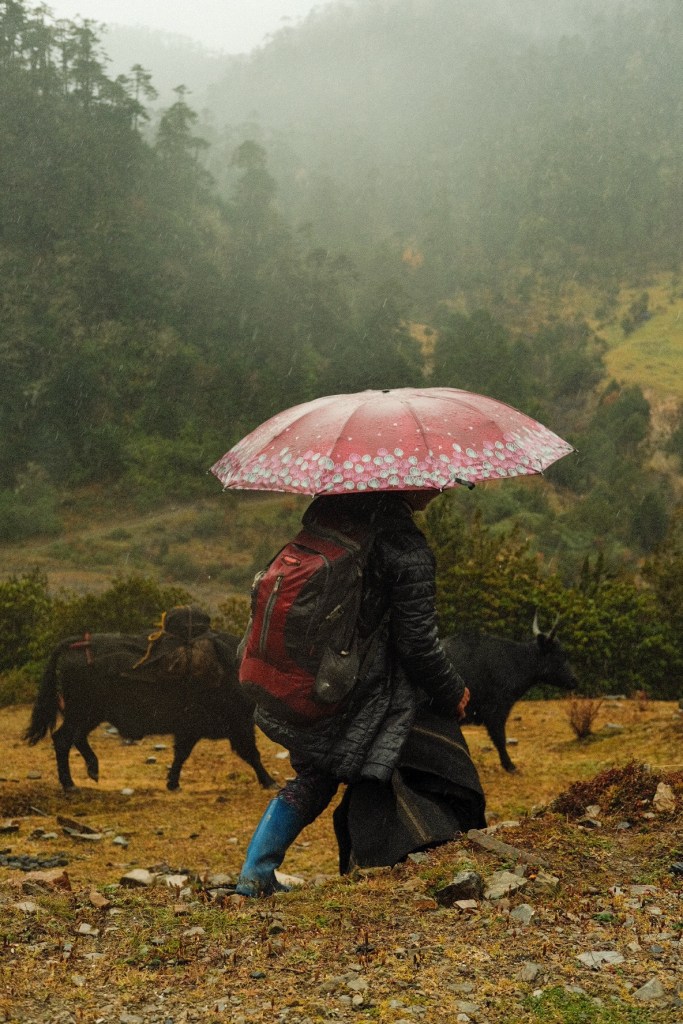
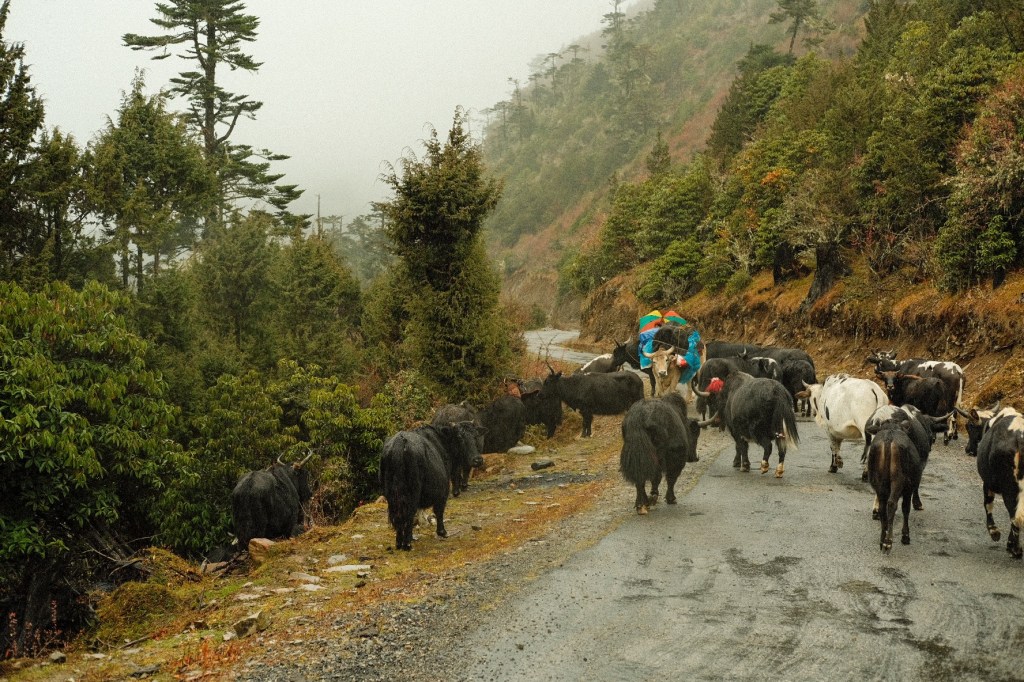
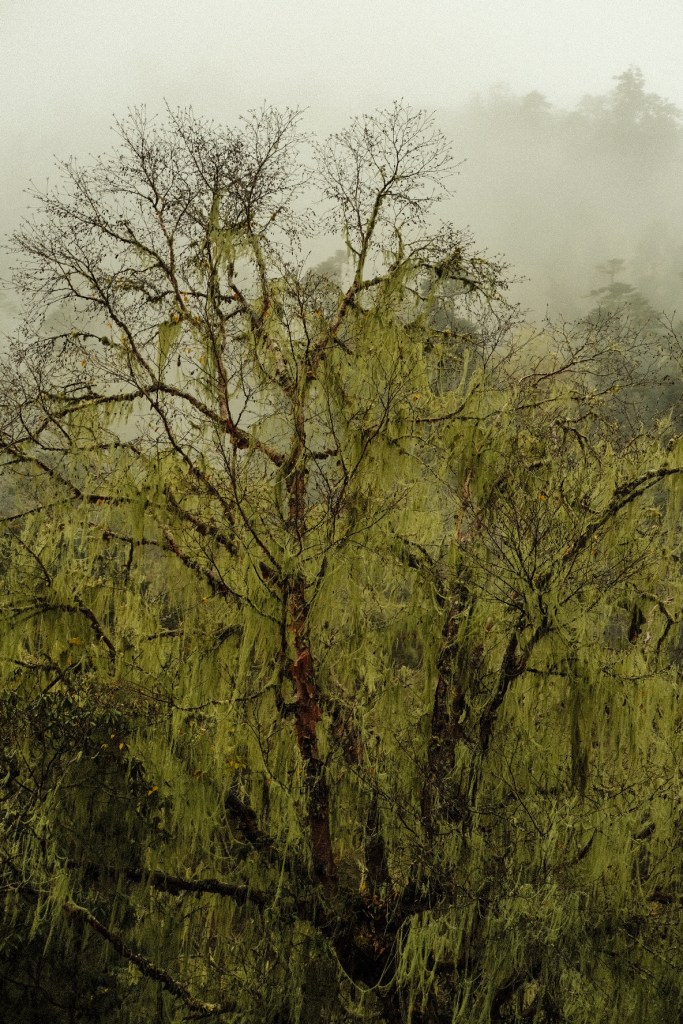
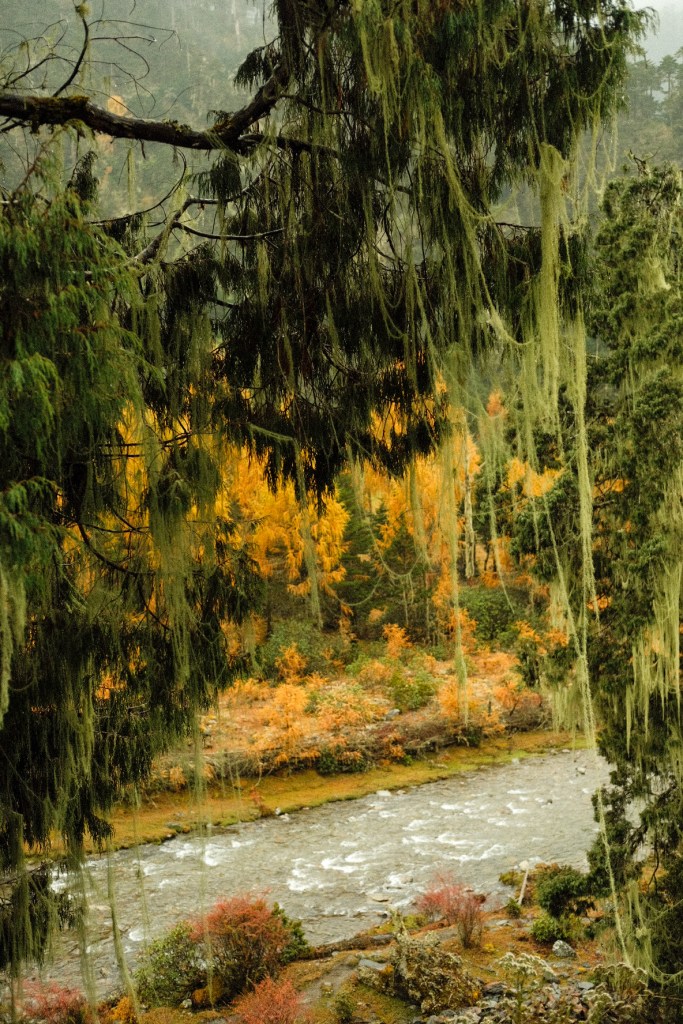
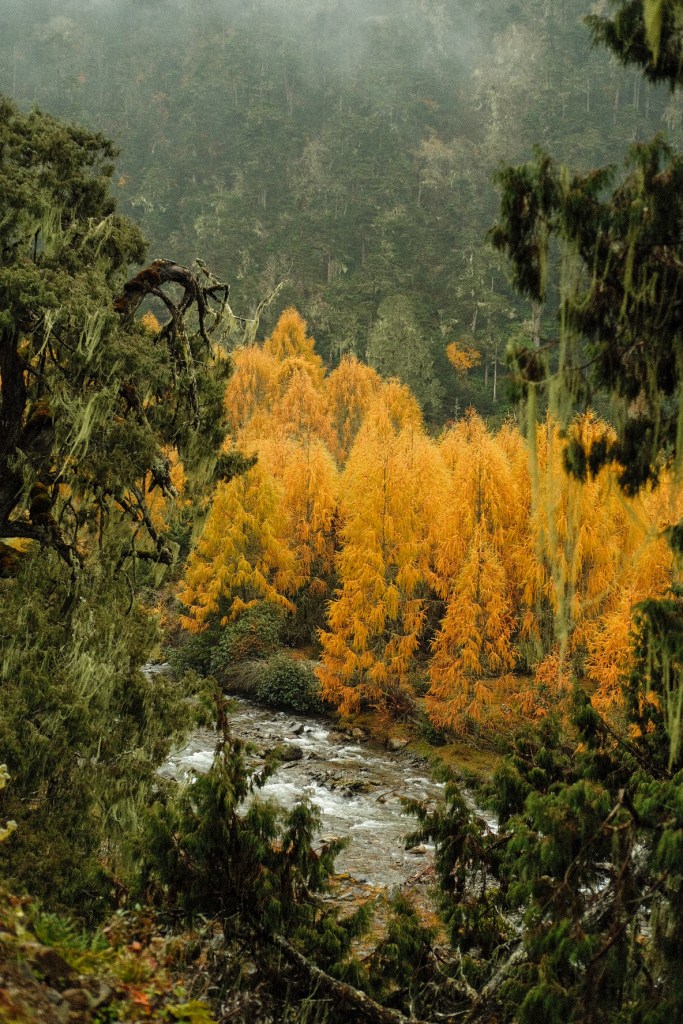
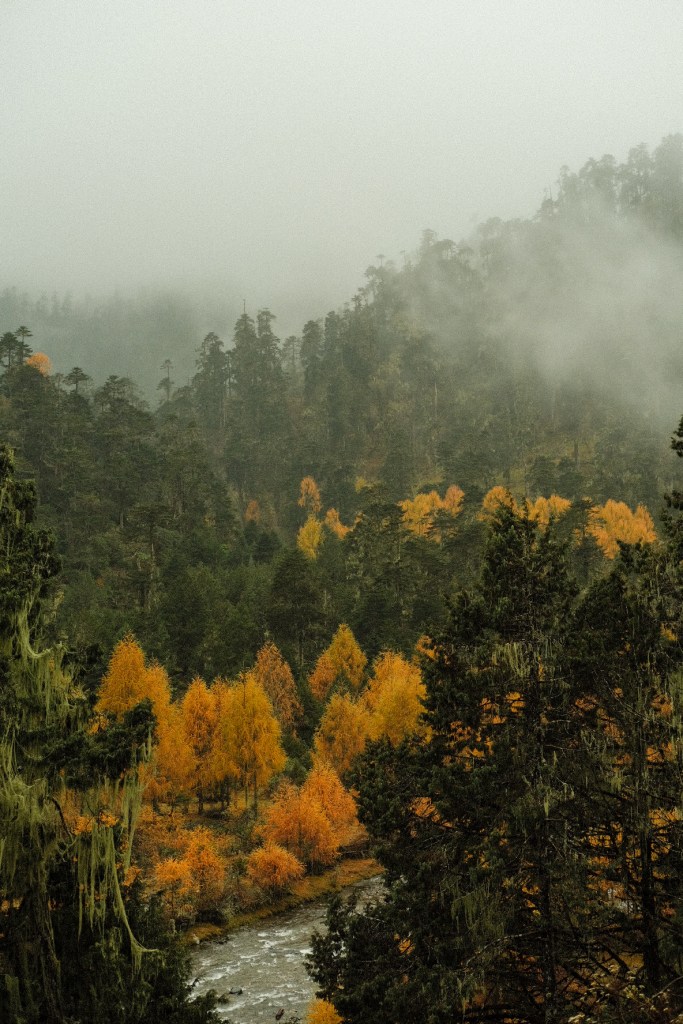
After we passed the herd (which took some time), the skies cleared a little, and we marvelled at the beautiful flora and fauna of the Merak region.
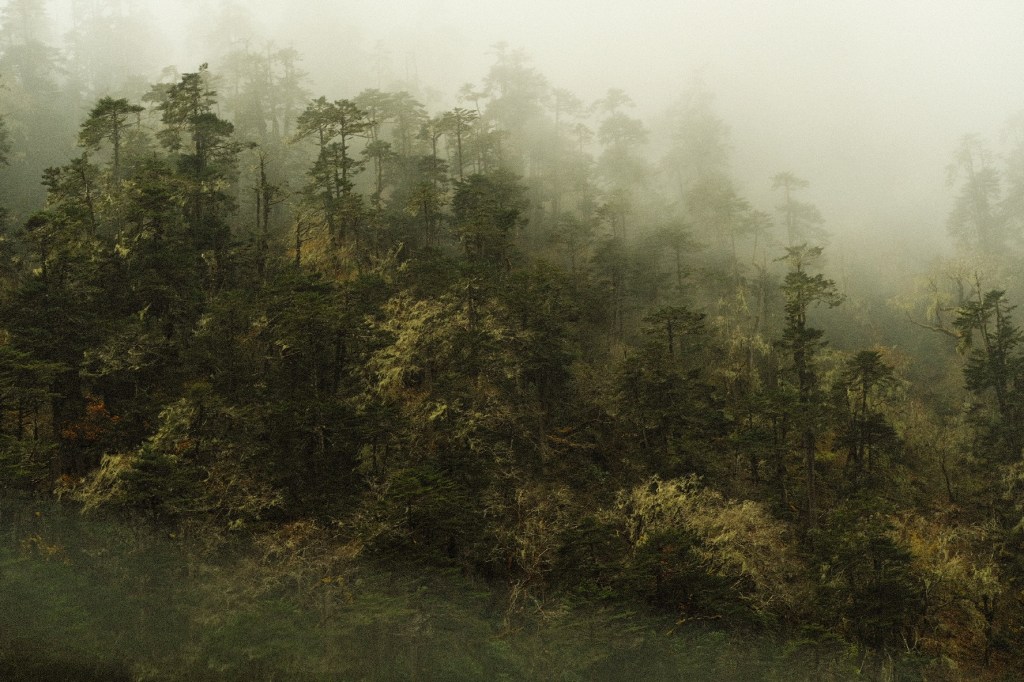
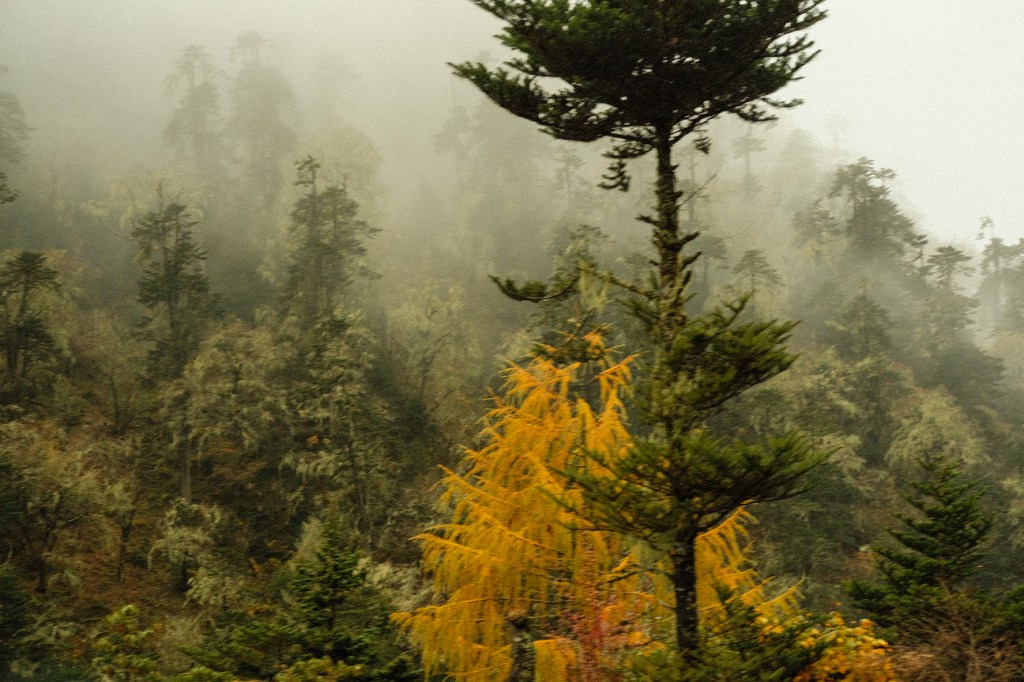
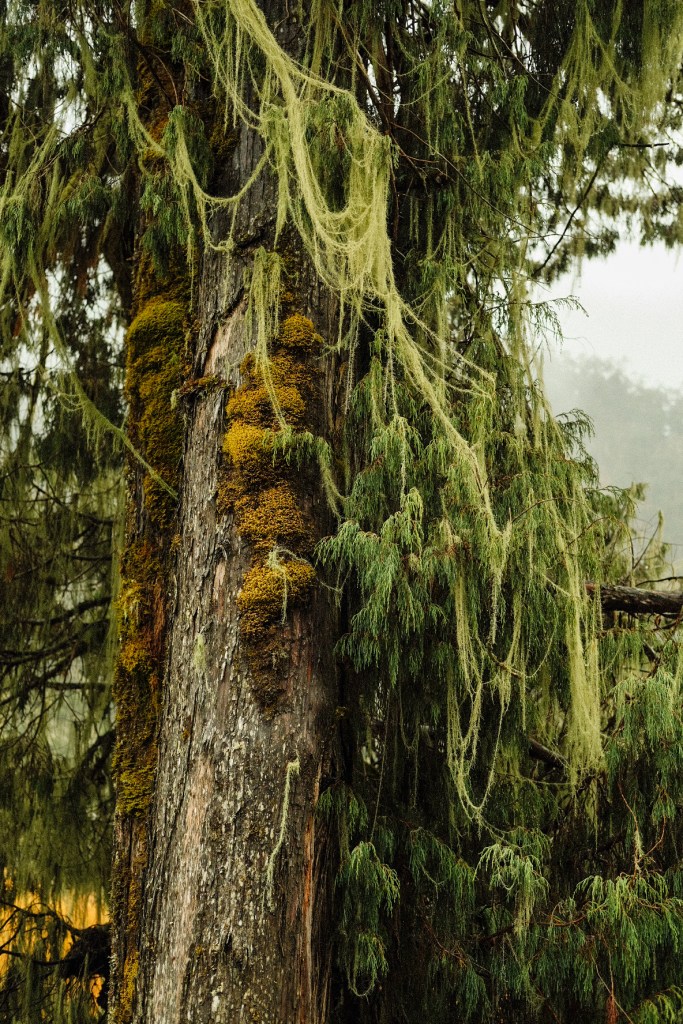
Huge trees, bright yellow leaves, rivers in the valley, and mist in the treetops. The green lichen that you see hanging from the trees is called “Old Man’s Beard” and only appears on trees at altitudes over 2,500m asl, when the air is very clean.

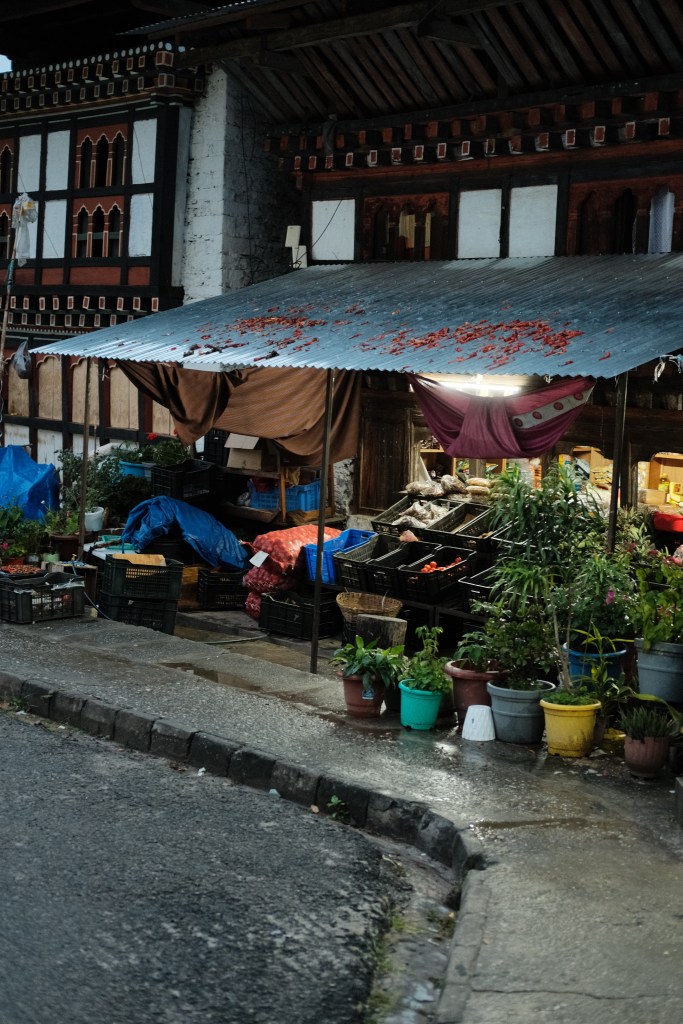
After a long drive we arrived in Trashigang, stopping at a local village on the way there to see some of the shops and village life before arriving in our resort hotel for the night.
Maybe because the travel agency felt bad for our missed flight, or maybe the hotel was otherwise fully booked, we were led to a comically huge room with an even more absurd bathroom.
The view was fantastic, but all in all we would have been fine with any old mattress on the floor after the adventures we’ve had.


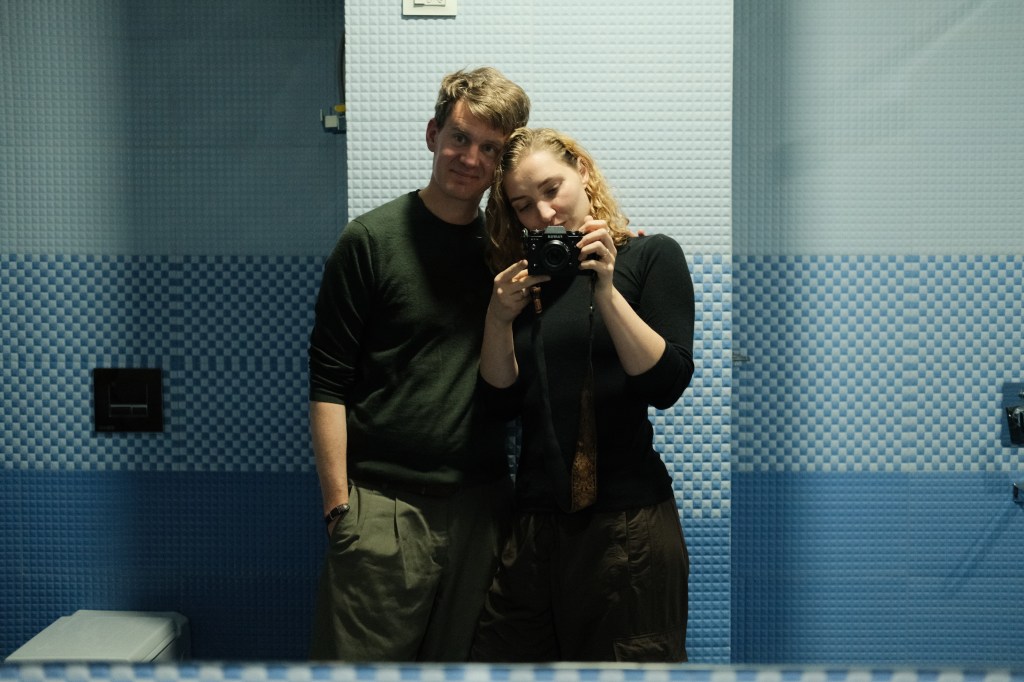

 Renaud and Fee
Leave a comment