After an absolutely delicious breakfast, we bid our hostess goodbye and made our way back to the atelier showroom, where we hoped to find a kira for fee.
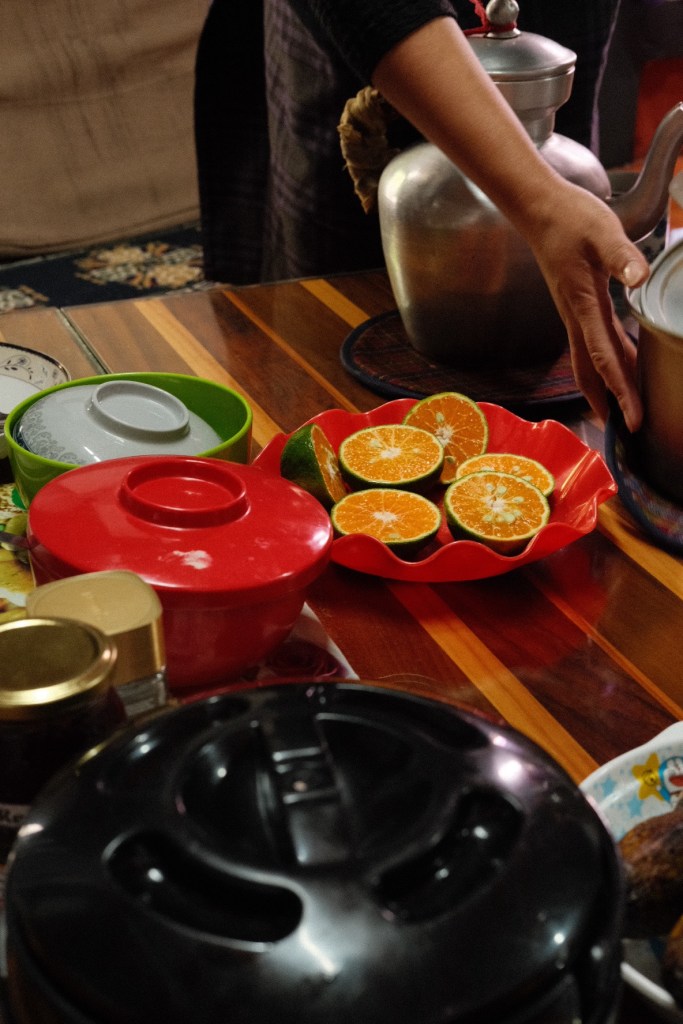
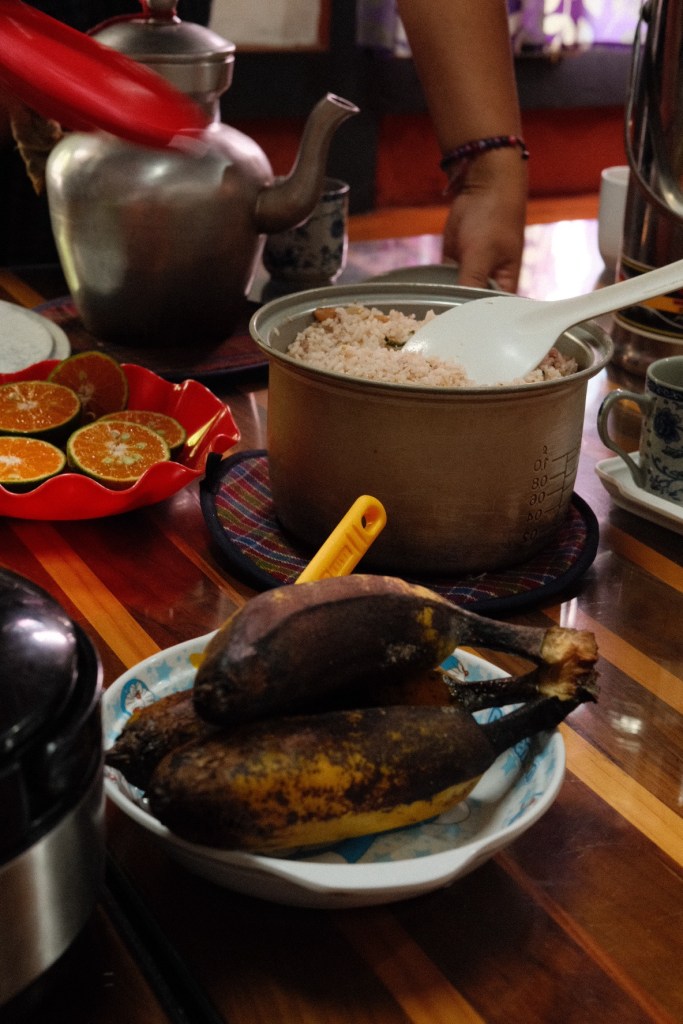
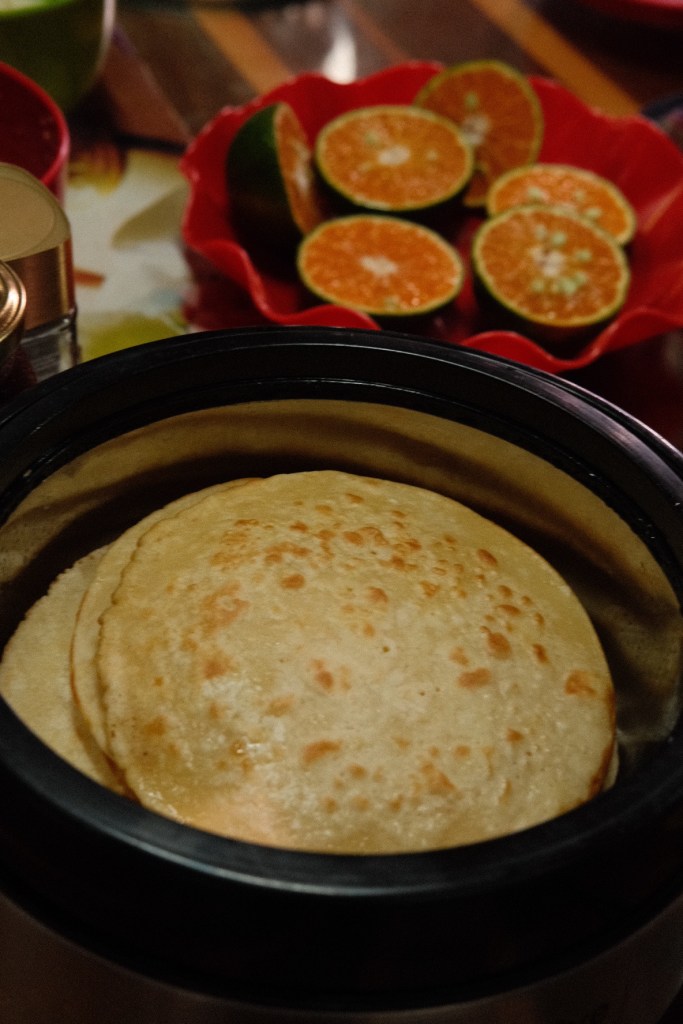
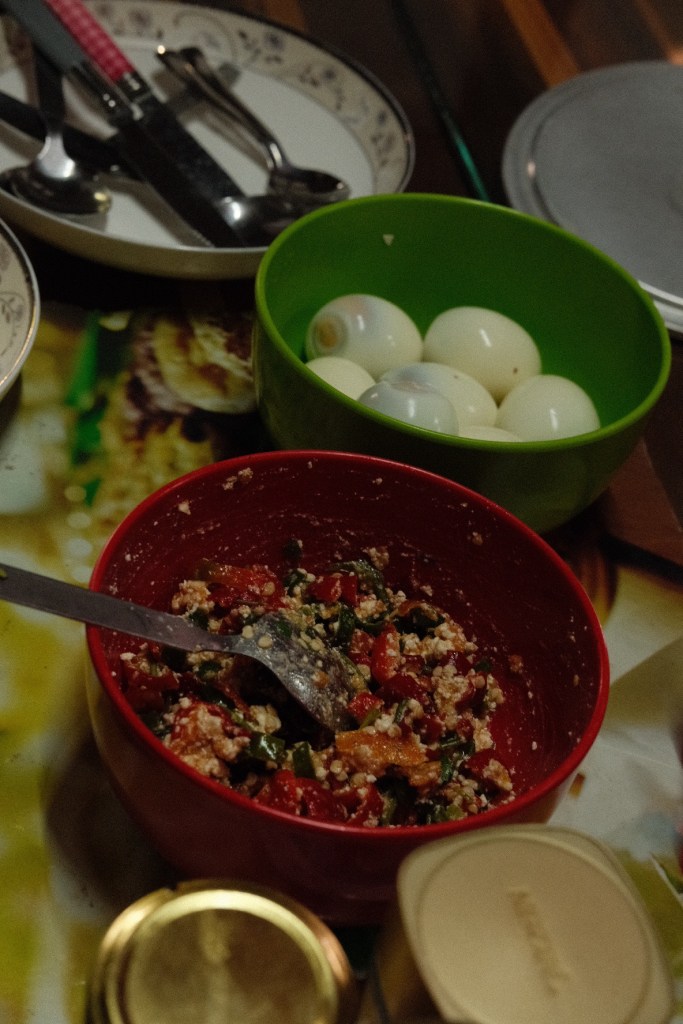
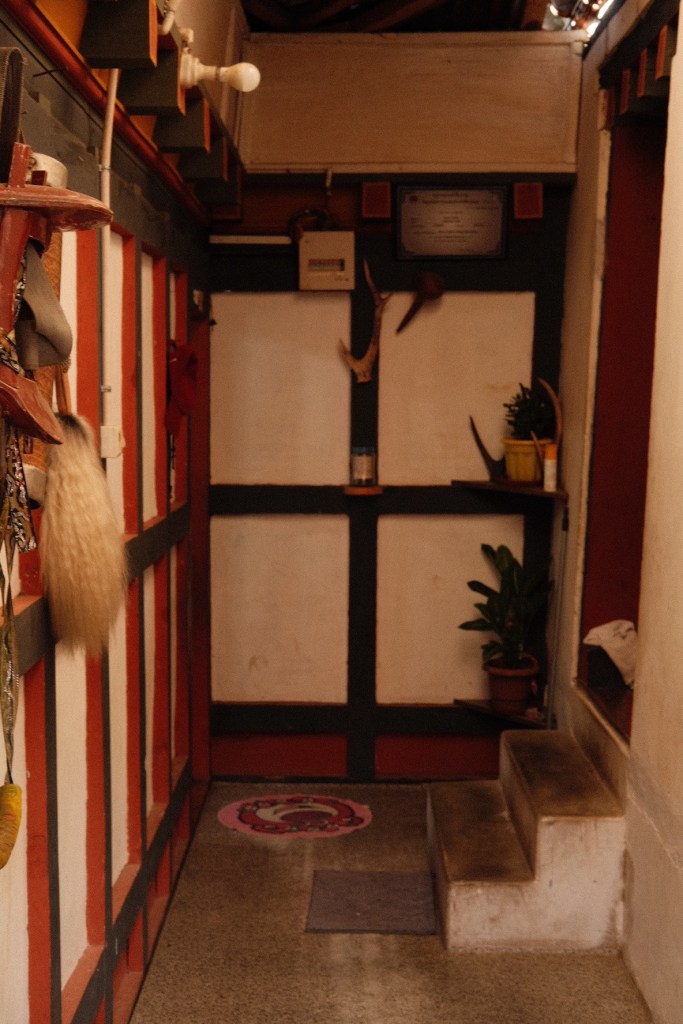
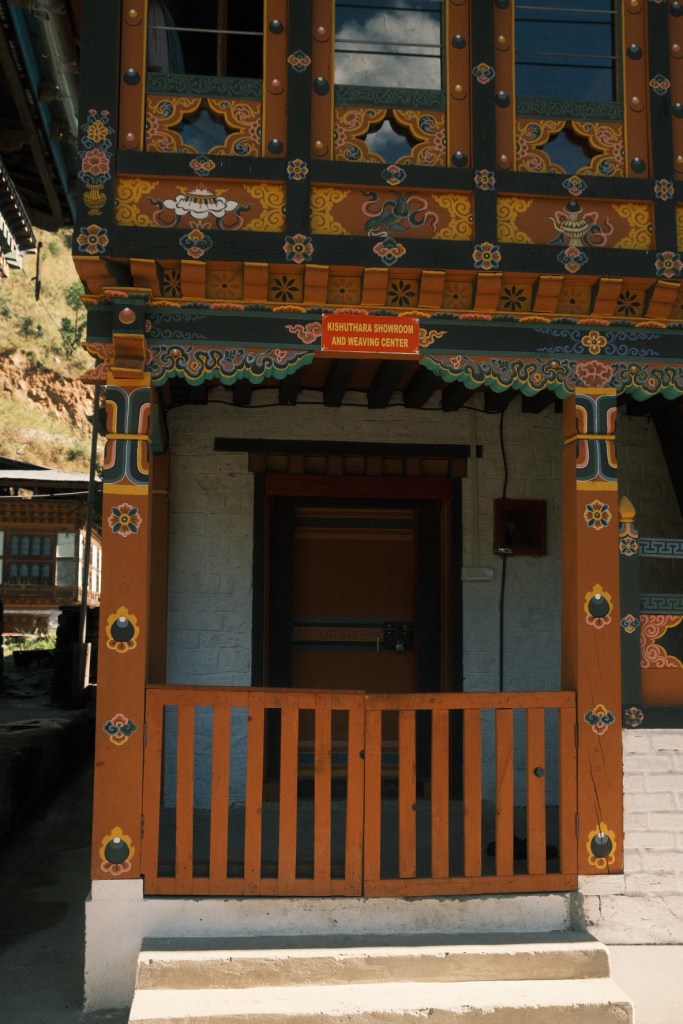
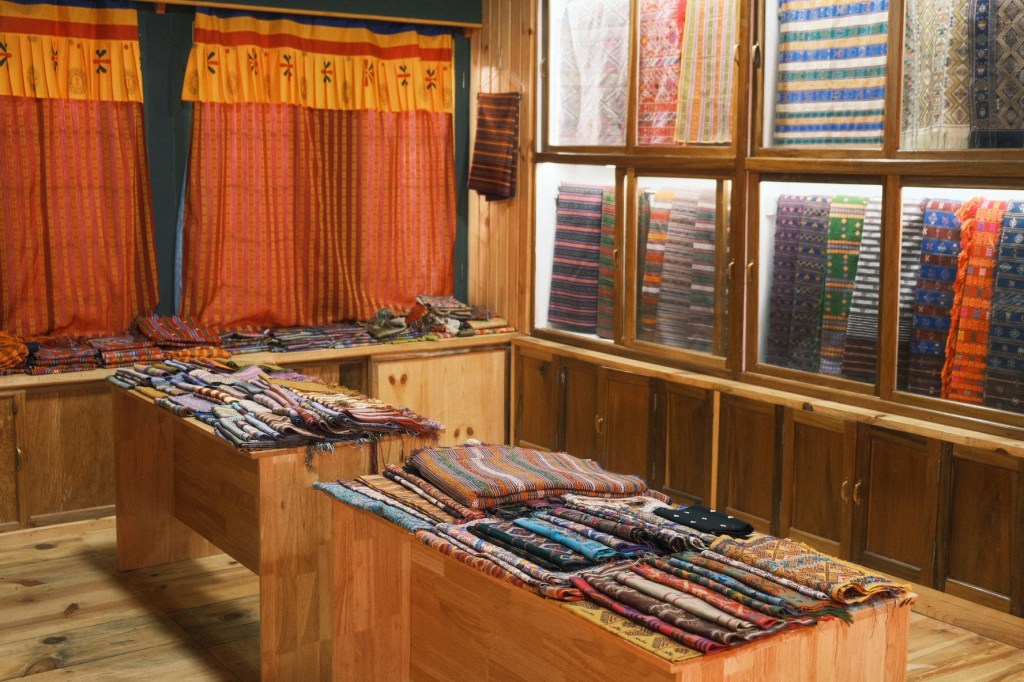
This is what breakfast looked like in KhomaThis is what our homestay’s entrance looks likeThis is what the showroom looked likeAnd this
Fee didn’t find a kira, but found her joy in scarves, and renaud found one that was striking, which he decided to take… though he doesn’t quite know what to do with it yet.
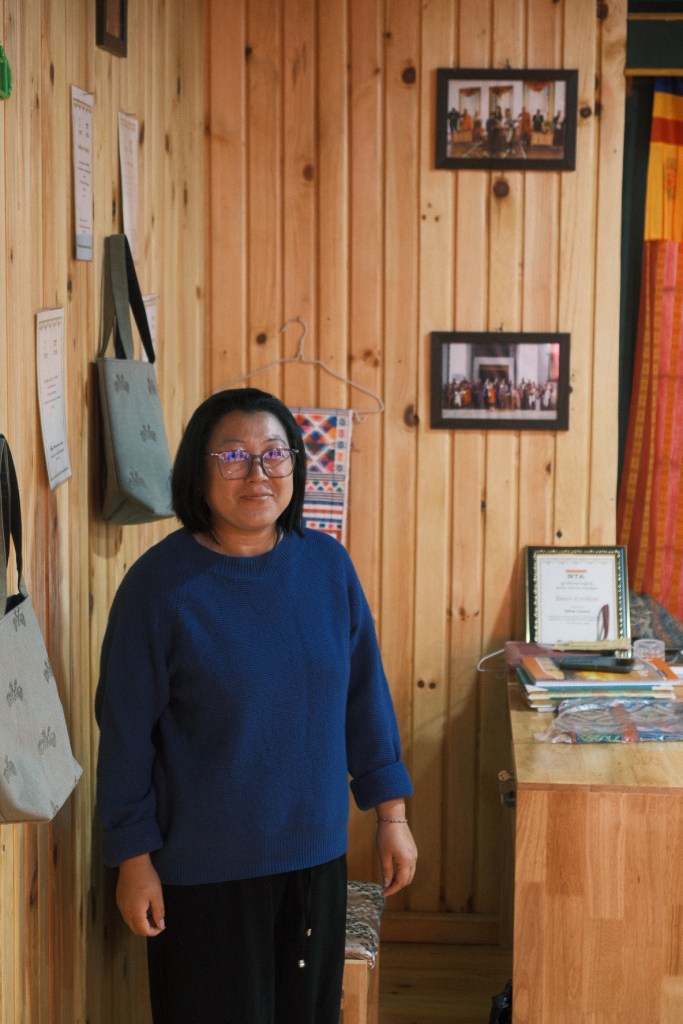
This is what the showroom attendant looked like
And then we were off towards Yongkola, where we hoped to see some beautiful bhutanese birds (and maybe some monkeys).
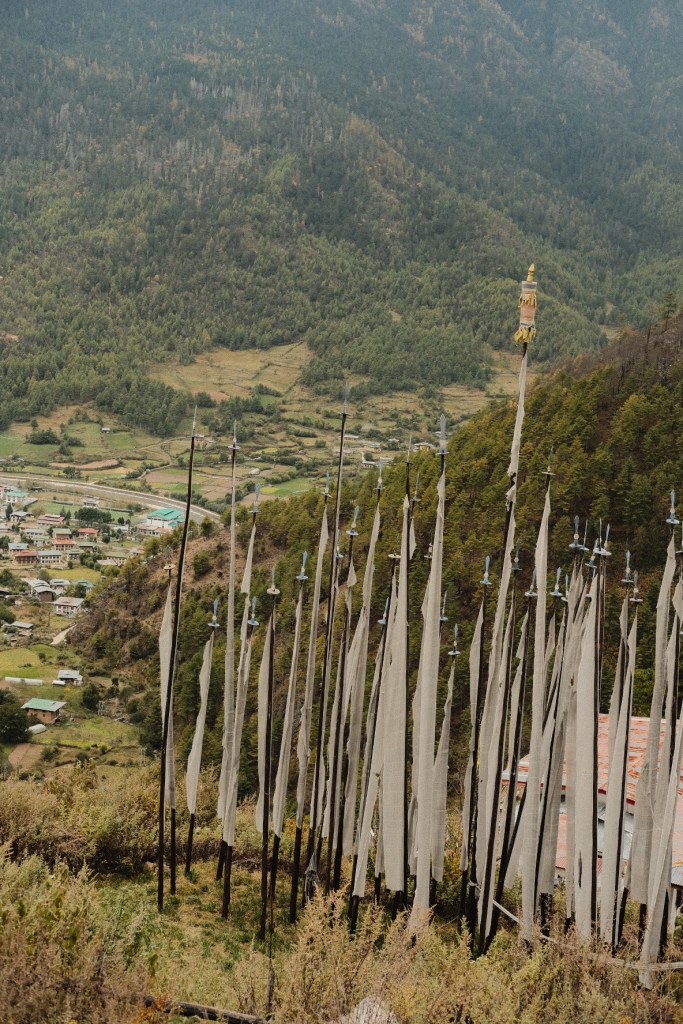
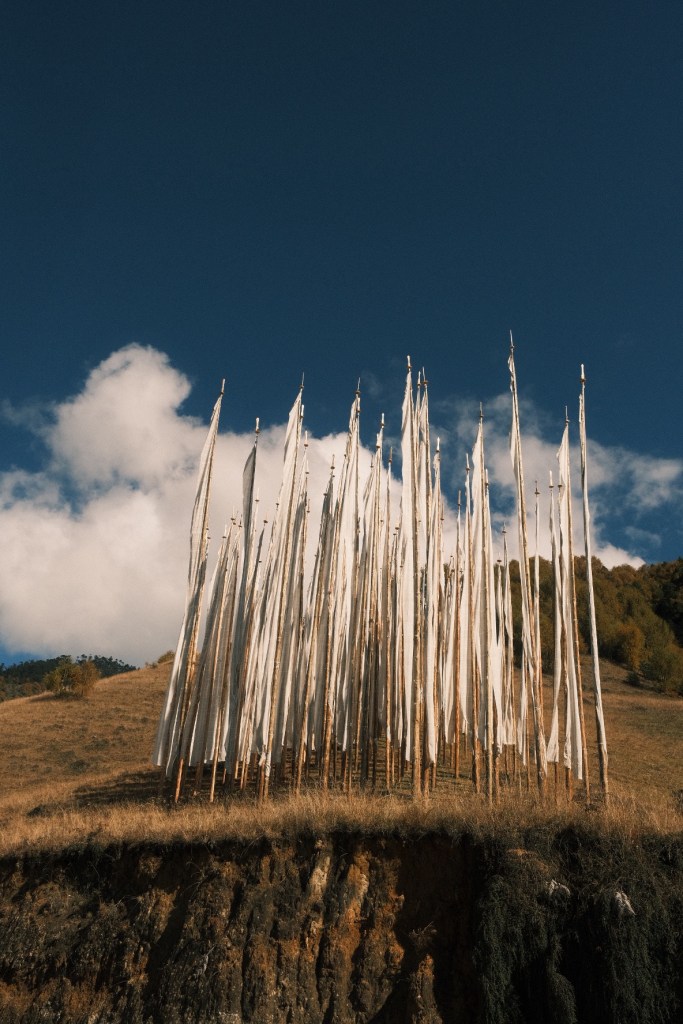
Along our way, we regularly pass clusters of white prayer flags, which our guide calls shidhar. These are planted in groups of 108 to guide a deceased ancestor into the afterlife, and must be renewed every year.
108 is an auspicious number in bhutanese buddhism, and you’ll notice it comes up a lot.
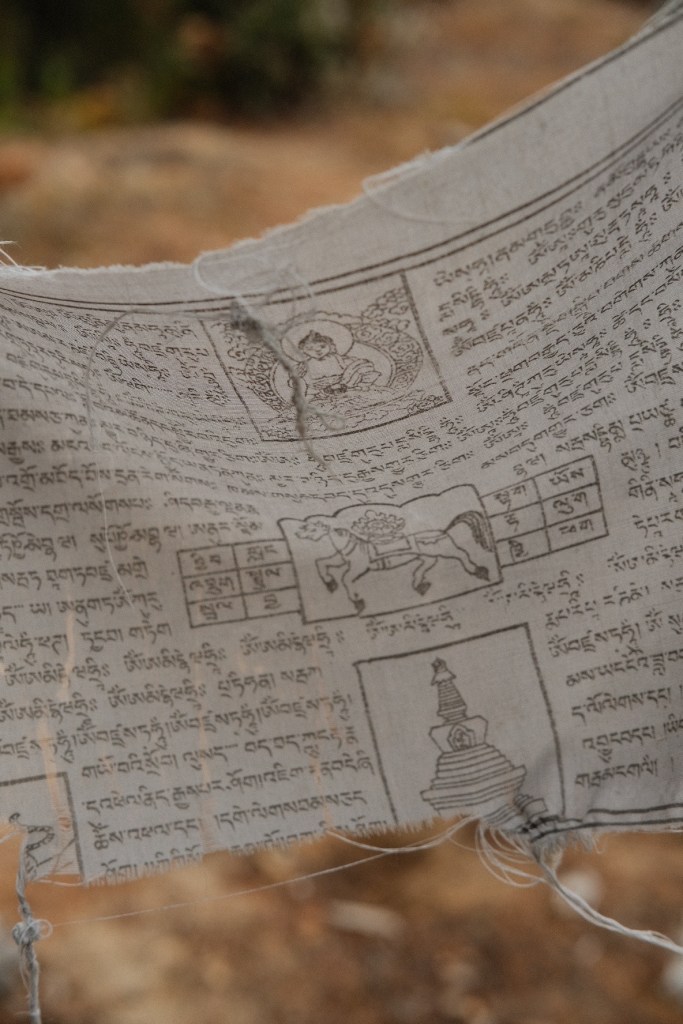
This is what a cluster of Shidhar look likeWhen the wind blows through these flags, you can hear the low “thub thub thub” from hundreds of meters away. The sound is supposed to reach the realm of the dead, leading the deceased family member safely to a place of rebirth. This is what the writing on the Shidhar looks like
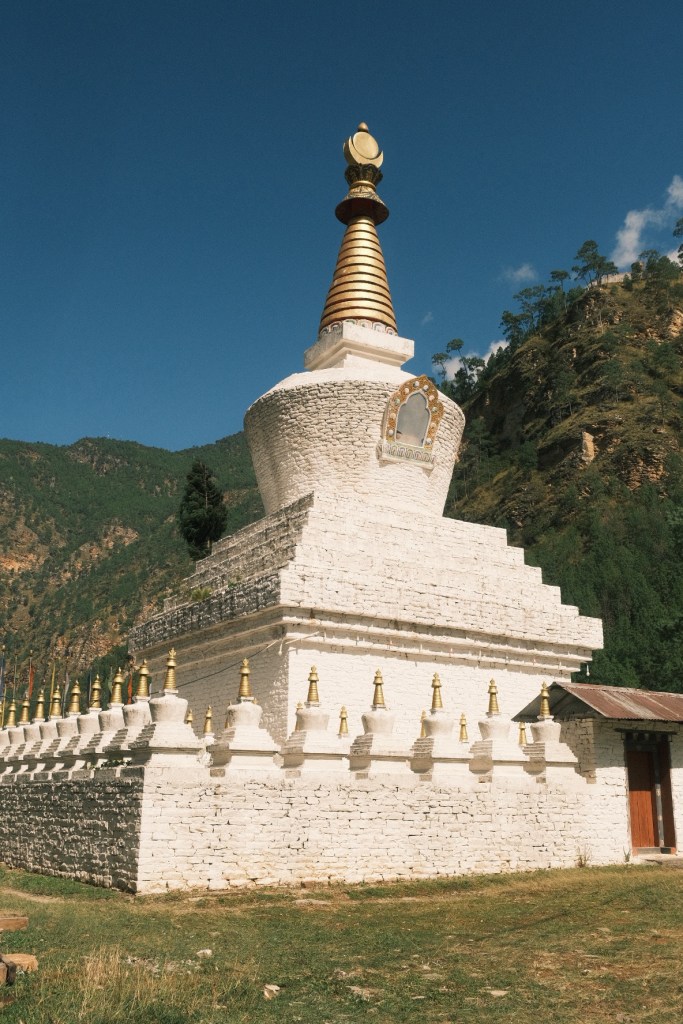
Speaking of which, we stopped at a stupa in Autcho on our way down, which was surrounded by 108 smaller stupas
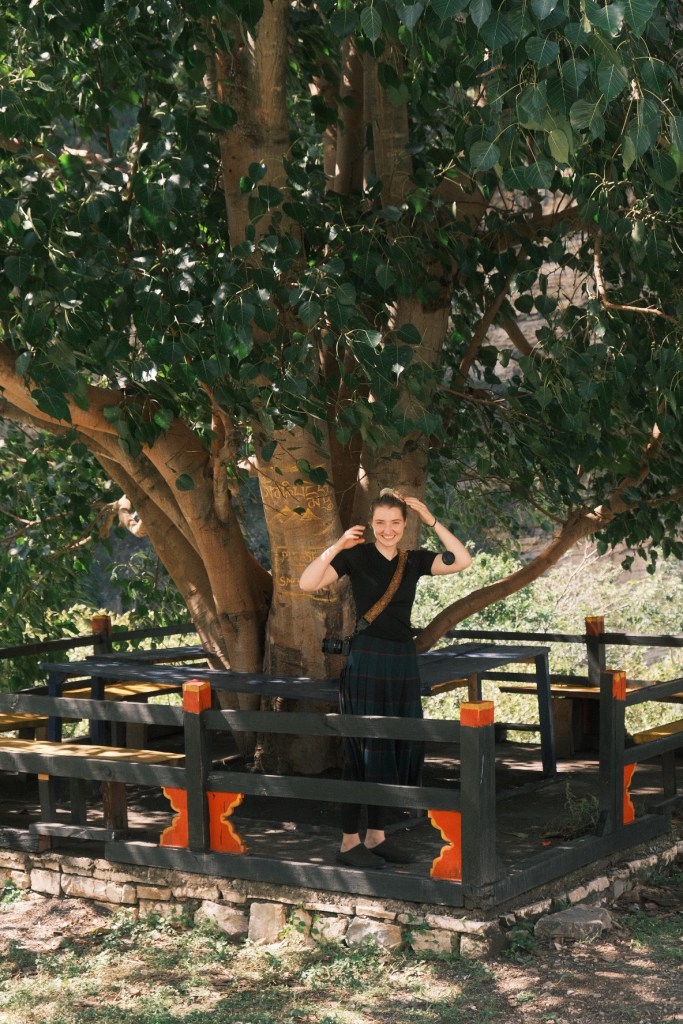
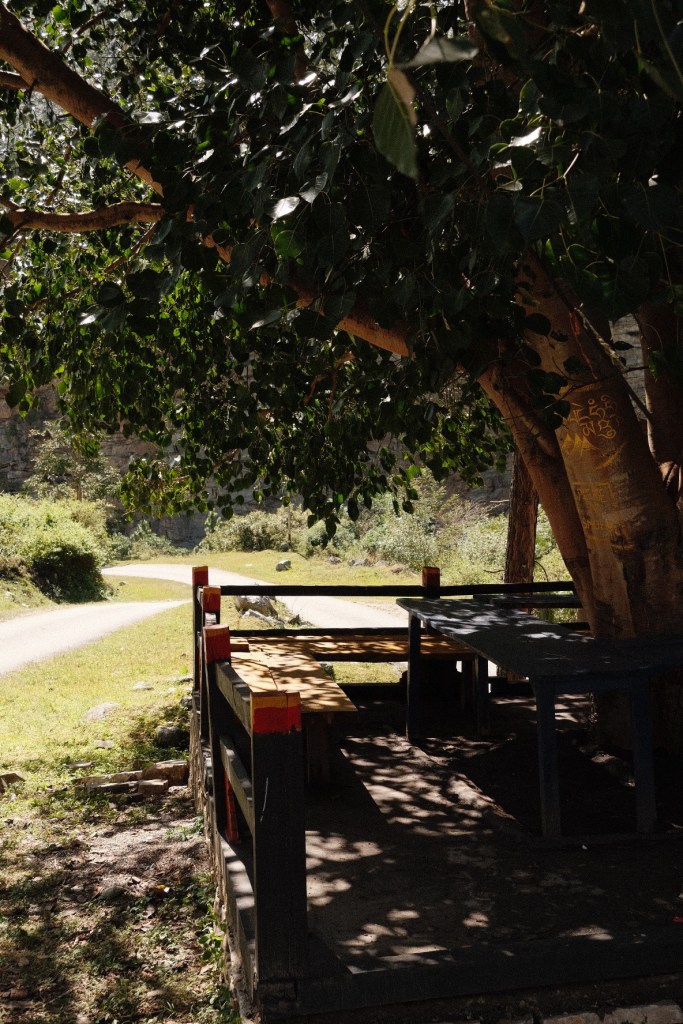
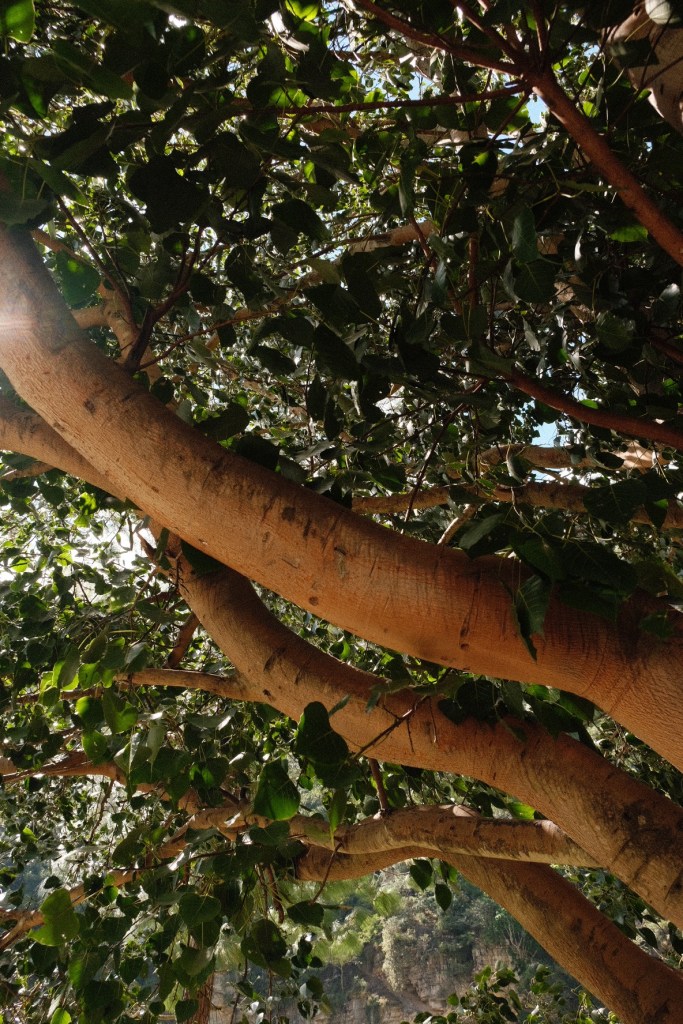
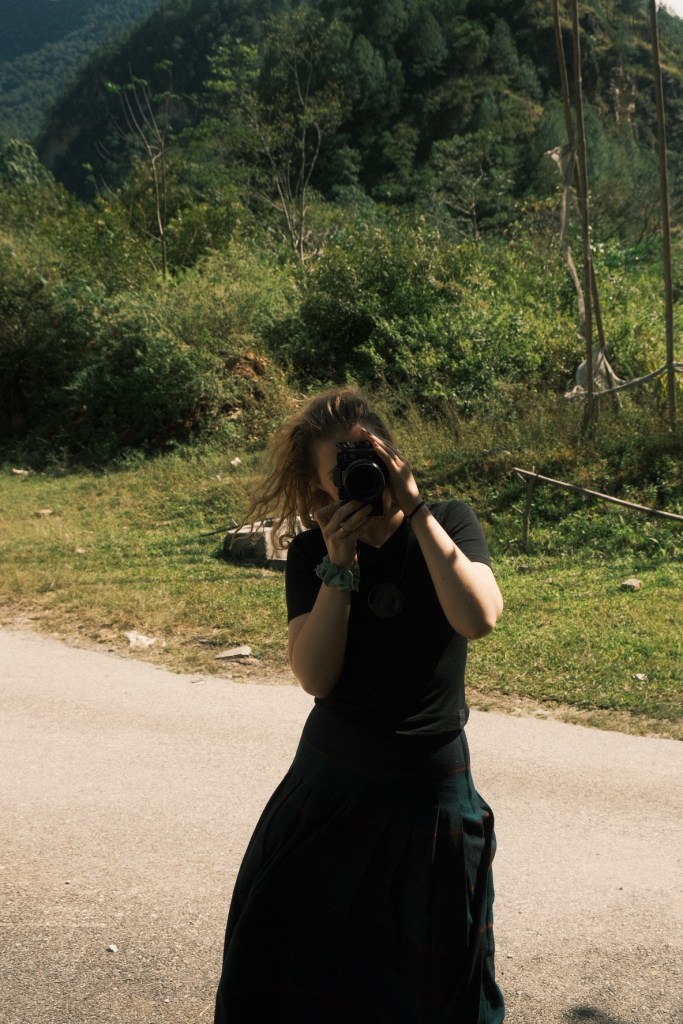
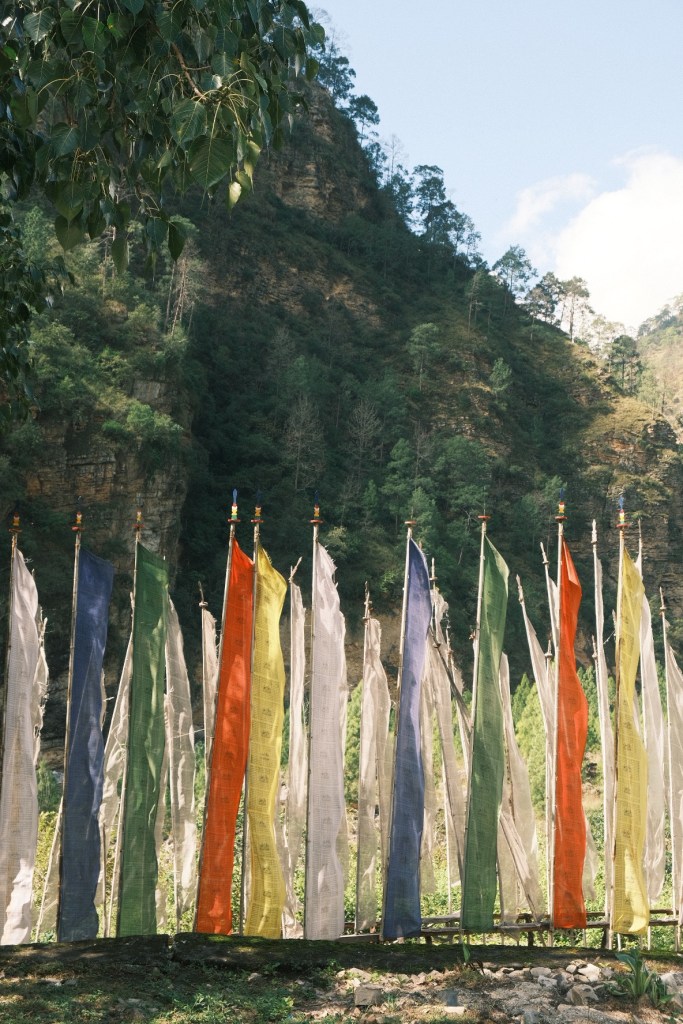
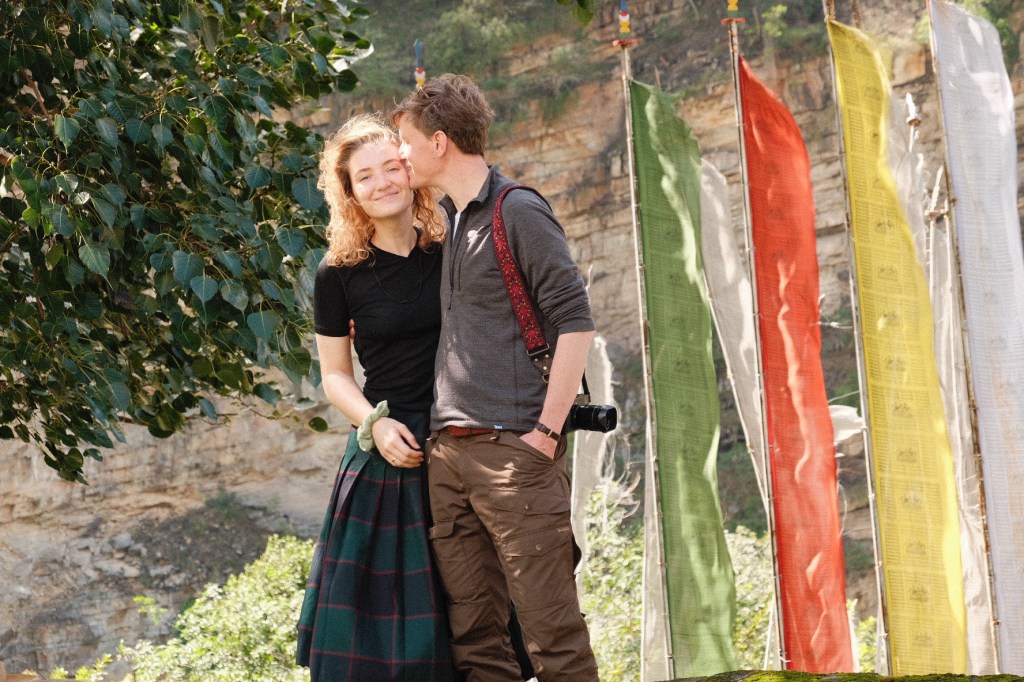
This is what the super-stupa looked like from afarAnd this is what it looked like from up closeThis is what fee looked like near the super-stupaAnd this is what fees favourite place to rest looks like (this was a magnificent tree)More treeFee often looks like thisThese prayer flags are called Lungdhar, meaning ‘wind horse’, they are coloured for the elements and printed with the image of a horse and the mantra of compassion — Om Mani Pei Mei HunThis is what we looked like
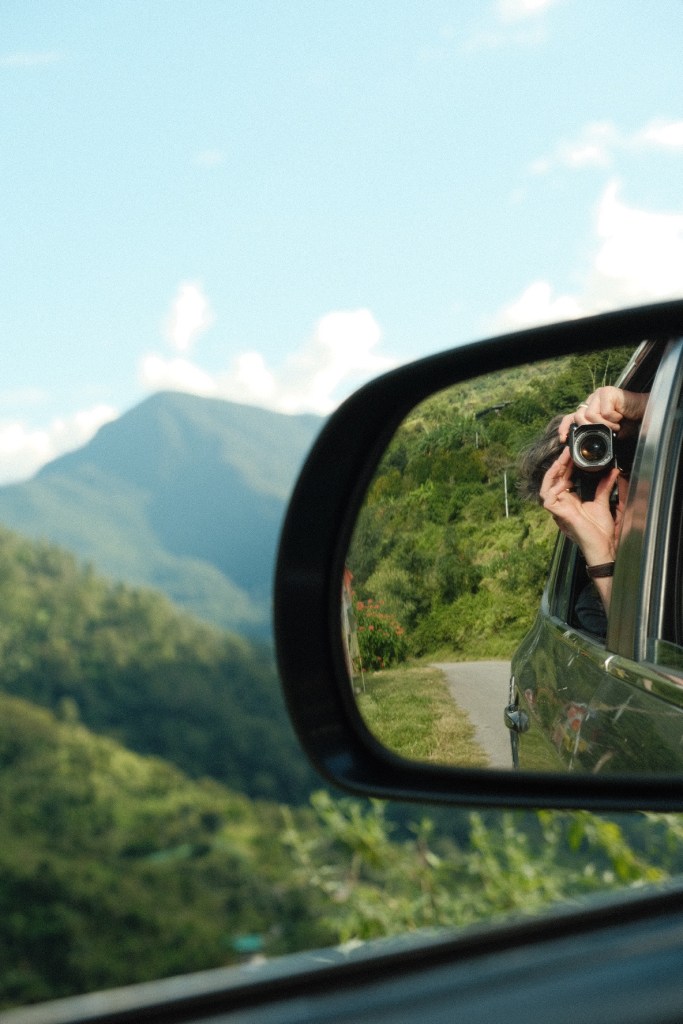
Driving to the Yongkola Valley, the temperature drops and the surroundings slowly become more ‘tropical’. Still a good place for planting rice and buckwheat, the pine forests slowly give way to tall deciduous trees.
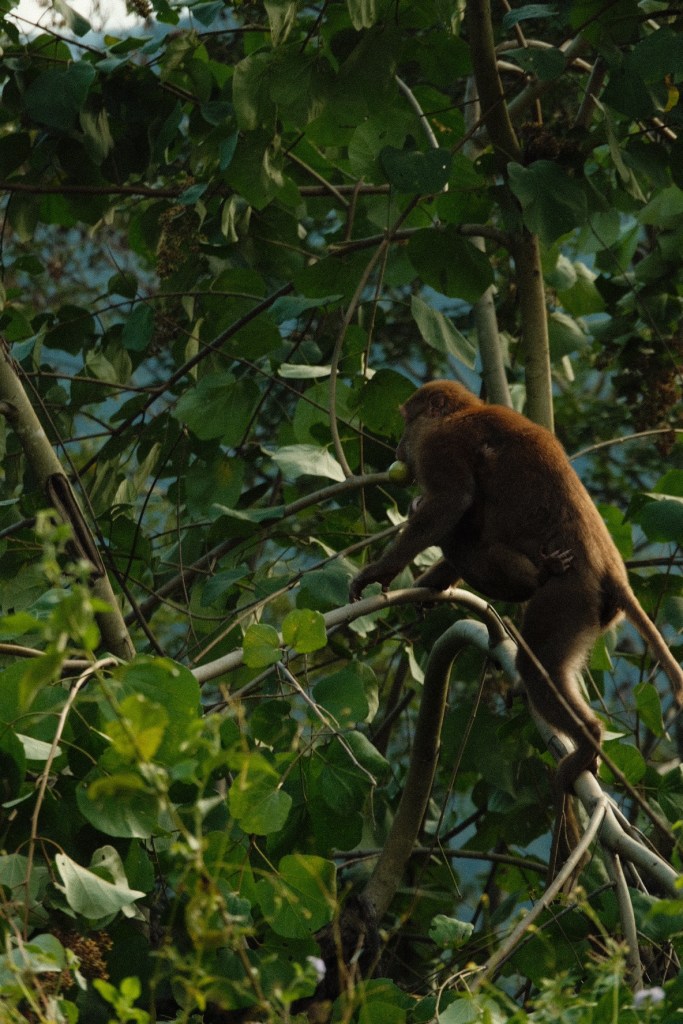
This is what renaud looks like on the way to YongkolaWe saw Himalayan mountain monkeys! They are shy, not dangerous and hard to catch because they like to live far away from the streets
Once at Yongkhola, we settled into our rooms and went for a walk in the hopes of taking photos of some of the local birds, or maybe a capped langur.
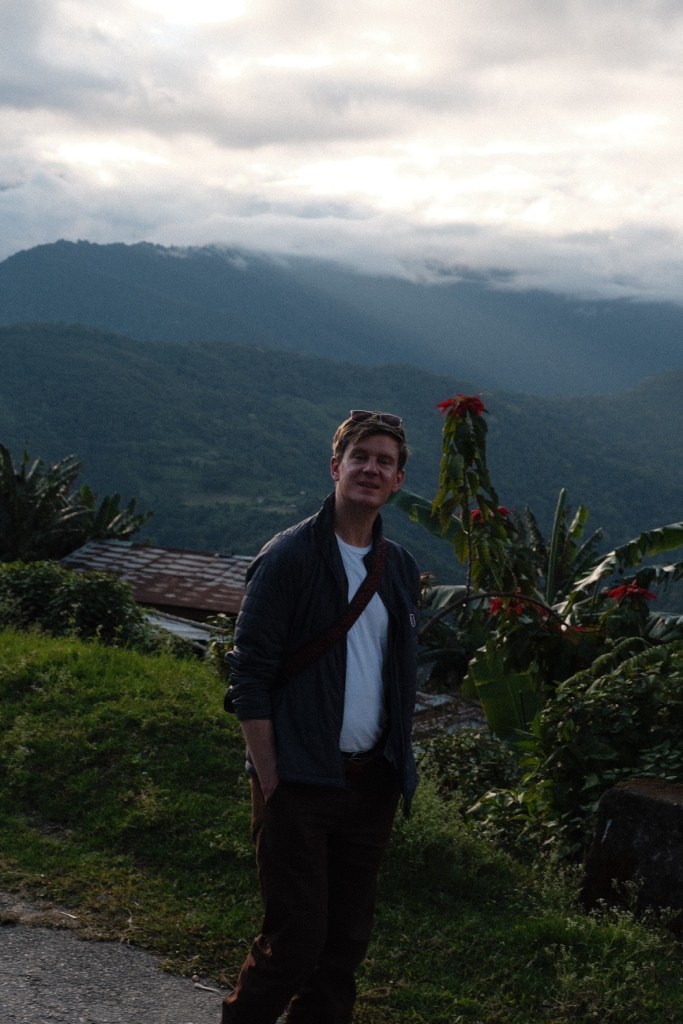
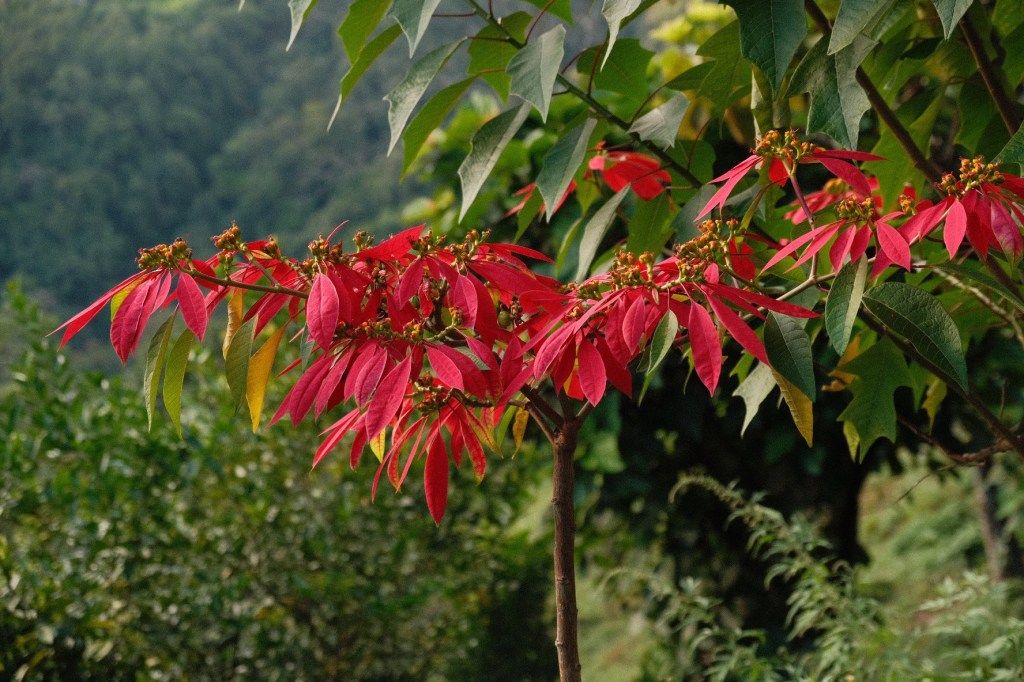
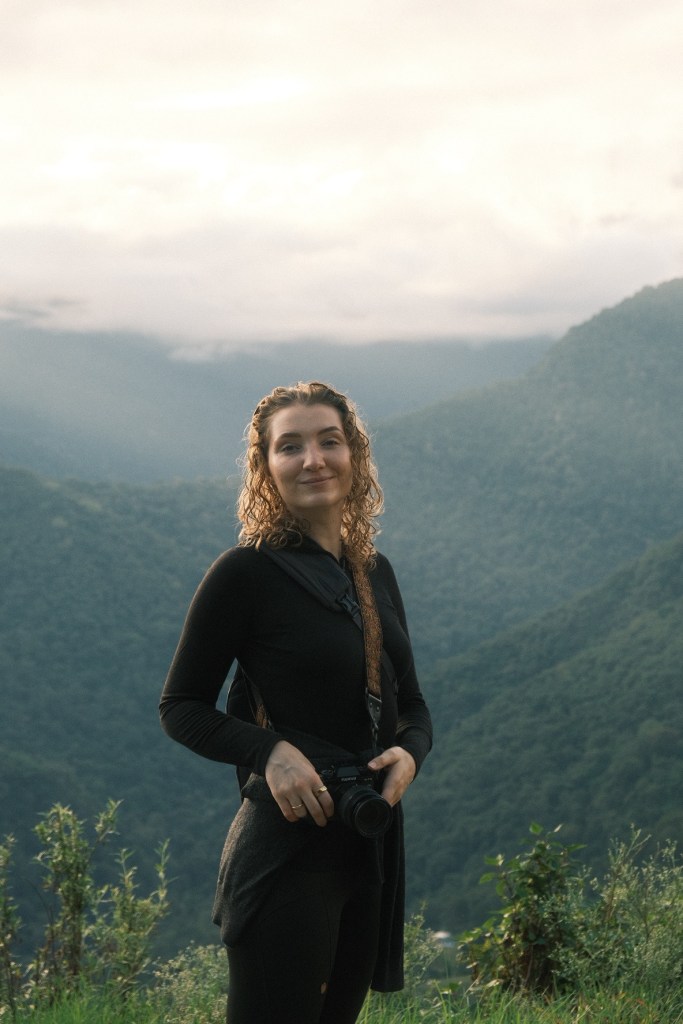
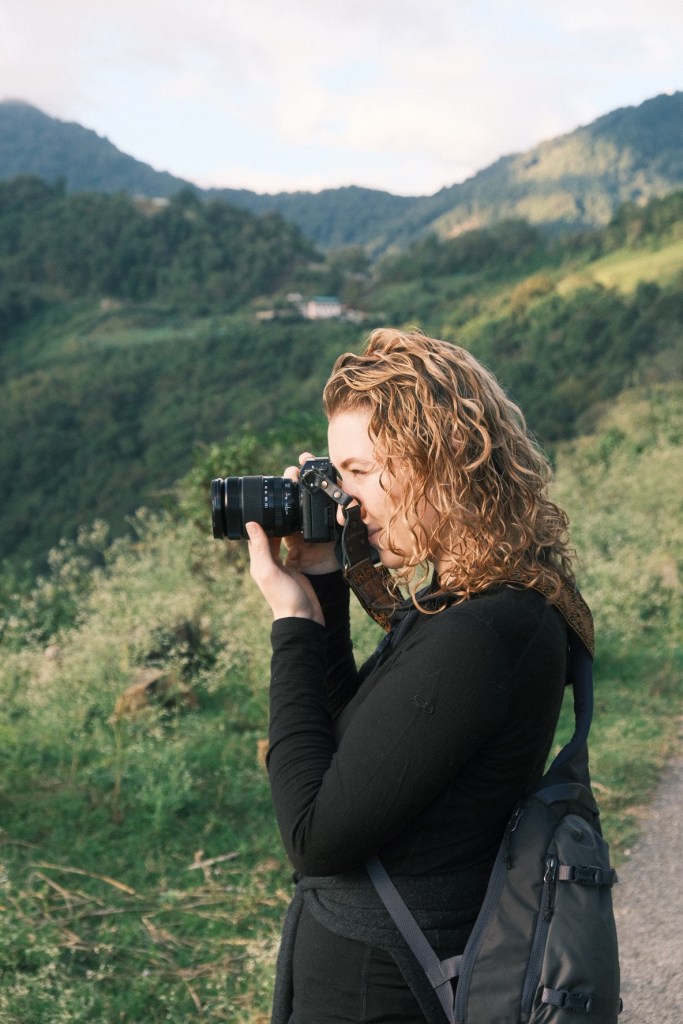
This is what renaud looked like on our evening walkThis is what local plant looks likeThis is what fee looked like on our walkAnd this
We ended the day with a delicious dinner and an early night, planning to get up offensively early to take photos of the many birds around our resort.
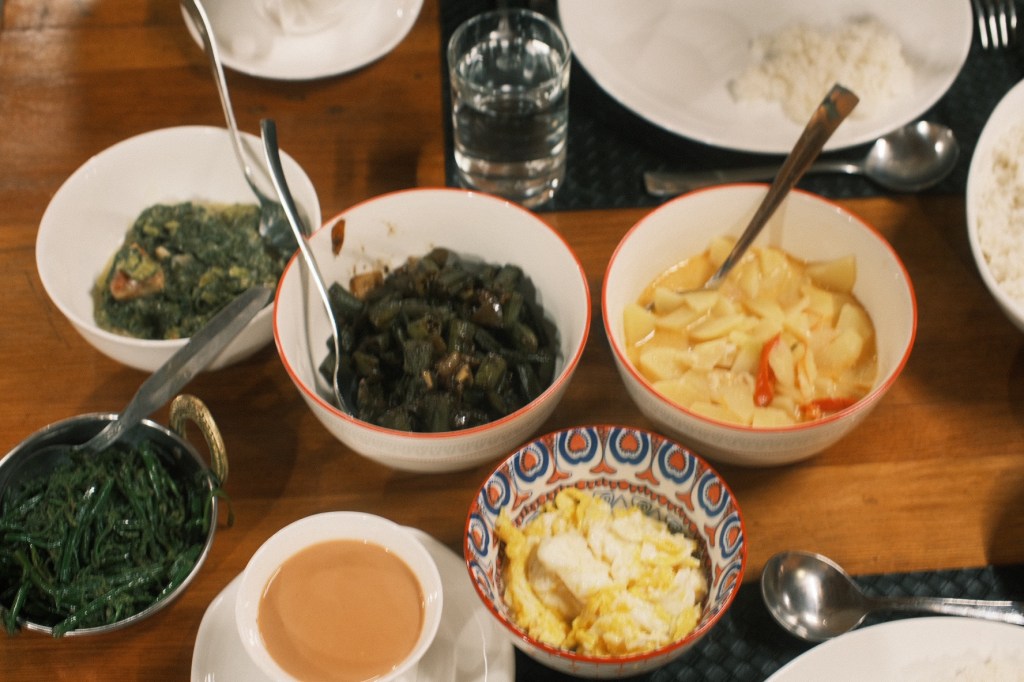
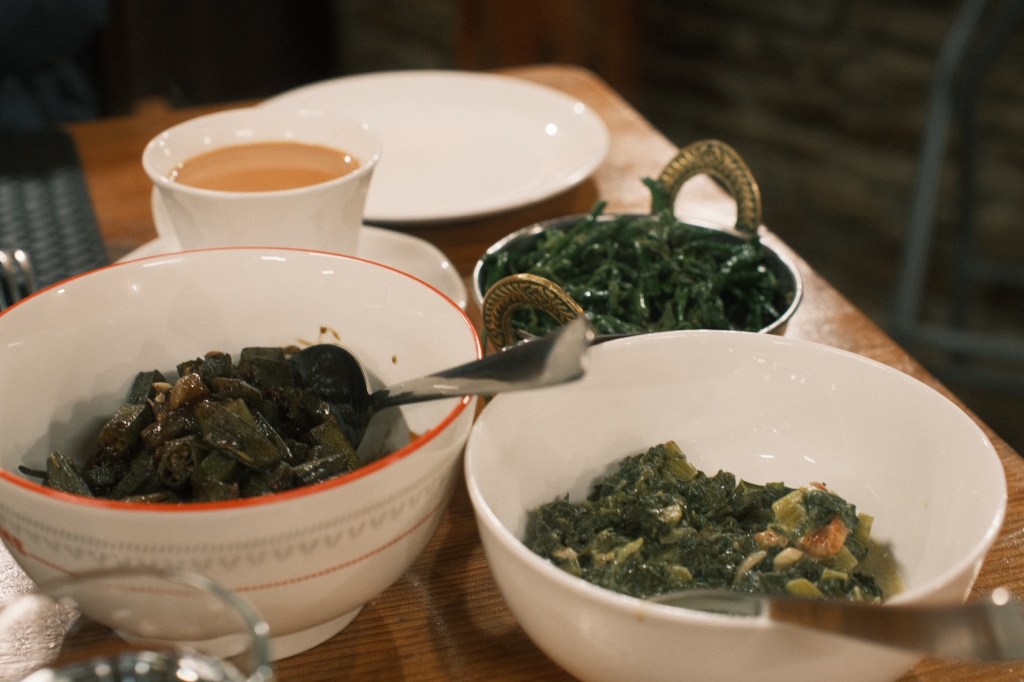
This is what dinner looked like in YongkolaIn the top right is the fiddle fern we showed you earlier, cooked with garlic, and delicious!
We love you all and we’re thinking of you. Good night!




 Renaud and Fee
Leave a comment