Just about 12 hours later, we’re safely deposited into the carpeted halls of Delhi airport, where we have time to kill.
renaud was absolutely delighted to try a Costa tikka paneer sandwich (delicious!), and fē found us a place we could shower and nap (and thus civilisation persevered another day).
We showered, we napped, we changed, we had a minor crisis when our knitting needles were confiscated, but the lovely staff of Bhutan Airlines saved the day.
And now we’re on our way to Paro, with a brief hop-on-hop-off stopover in Kathmandu.


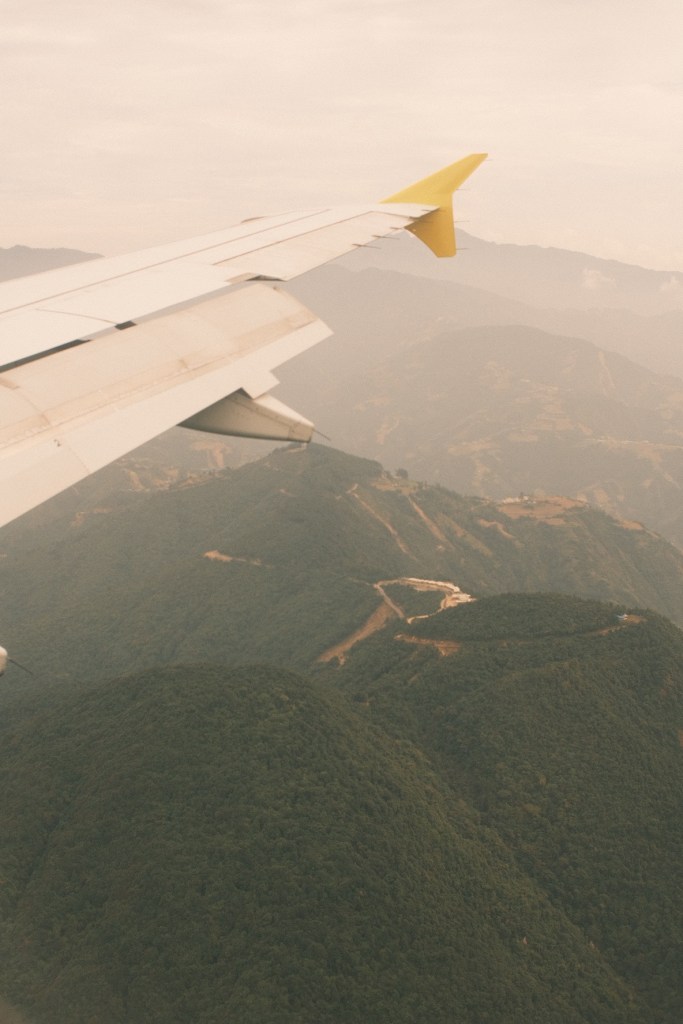
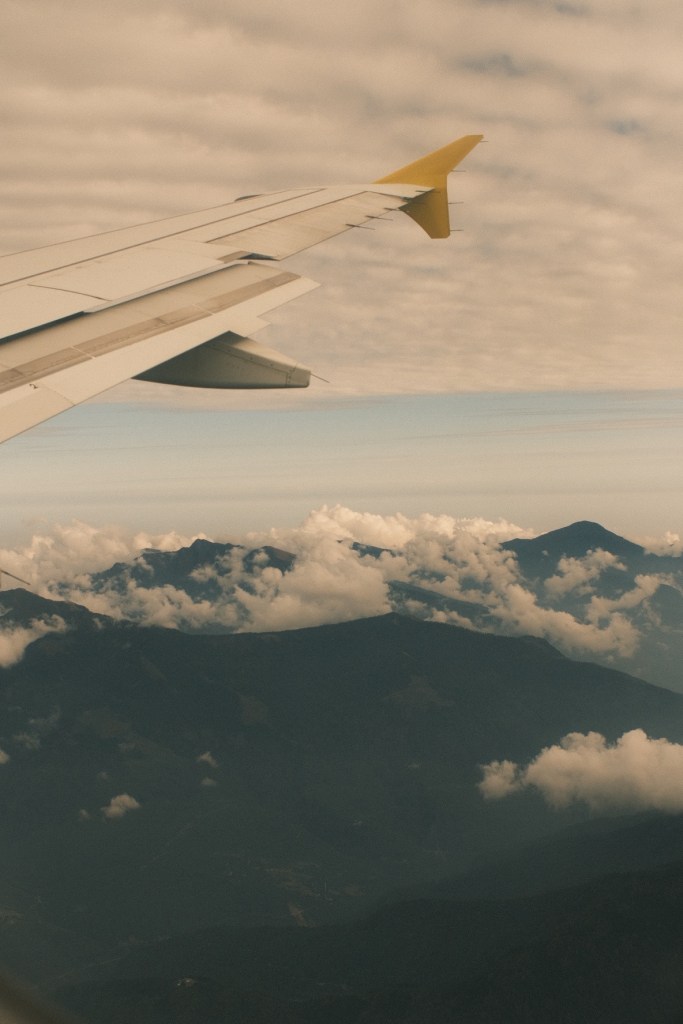
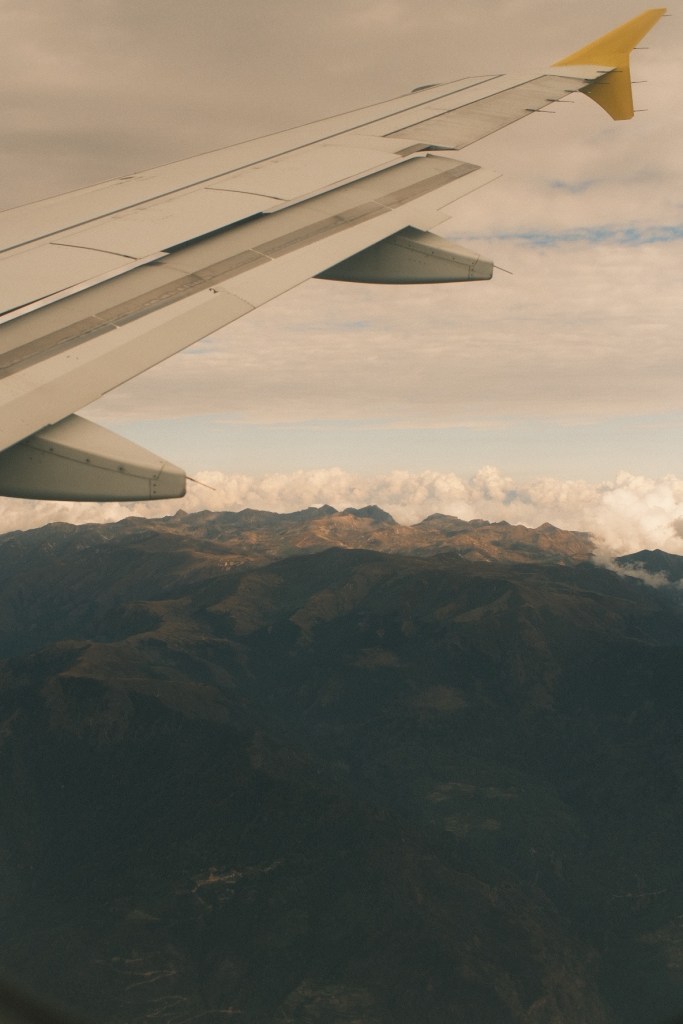
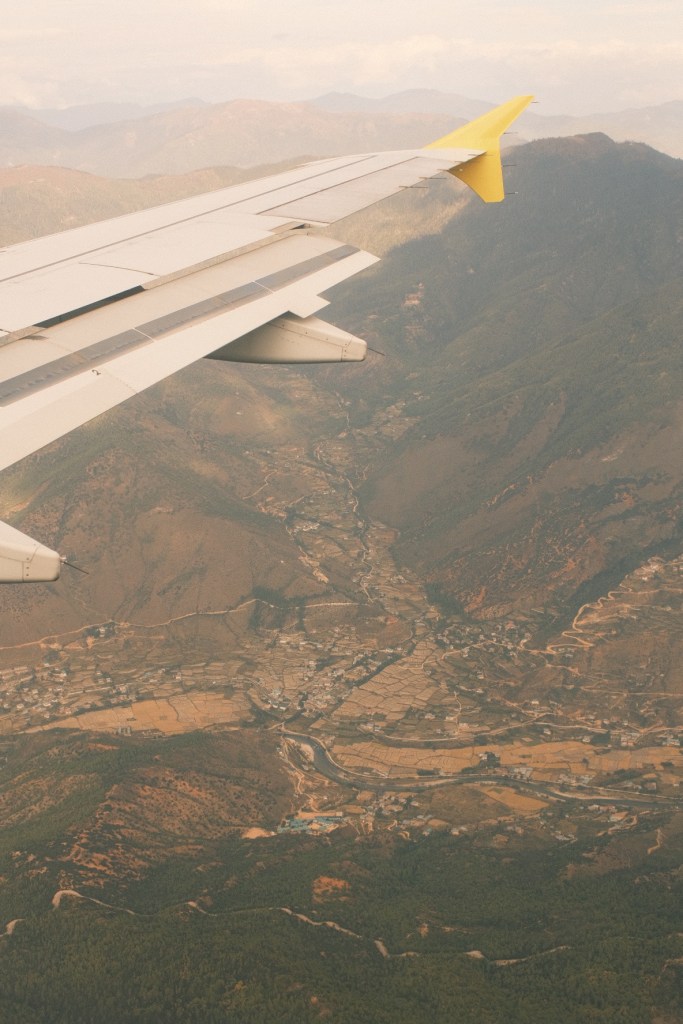
The cloud cover was too low for us to see Mt. Everest, or any of the other spectacular peaks proudly advertised by the inflight brochure Kuzuzangbola (meaning Hello in Dzongkha, the Bhutanese language), but the view from the plane was stunning nonetheless, particularly on approach at Paro airport, a beautiful building in its own right.


Once in Paro, we were met by our wonderful touring team — DD, our guide, and Dorje, our driver, who welcomed us to Bhutan with great charm and traditional white blessed scarves, and drove us from Paro to Haa on a steep and winding road that took us over the Chelala pass (the highest mountain pass of the country at 3,900m above sea-level).


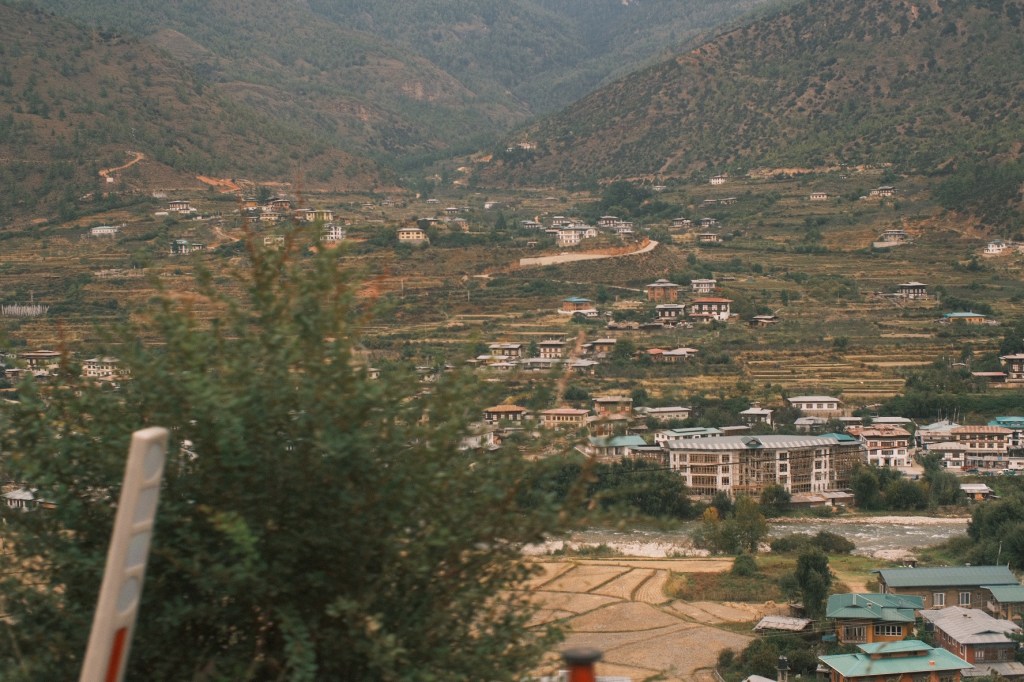
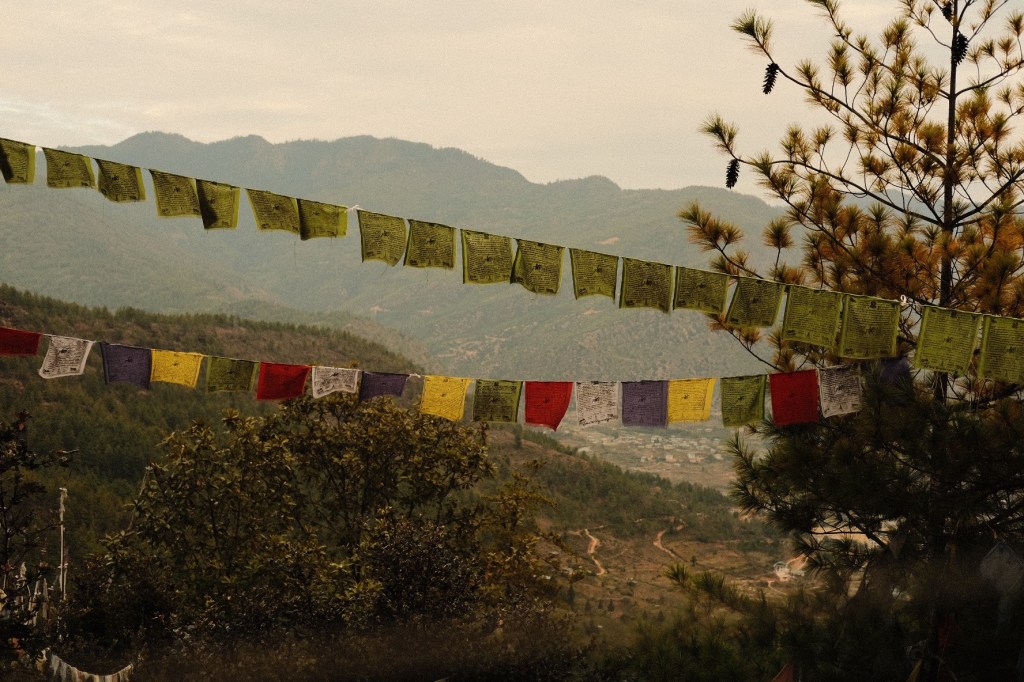
Driving to Haa, which is a district in the far west of Bhutan, famous for its Valley with three sacred mountains, its pine and rhododendron forests, and monasteries. It is open to tourists since only 2002, and a wonderful place for hiking — which we will hopefully do tomorrow.
On the way to the Haa Valley, we passed through forests, winding up hills and mountain slopes, we crossed paths with many cows, donkeys, horses, and wild dogs, who roam the streets freely, with all the calmness in the world (fee was delighted).

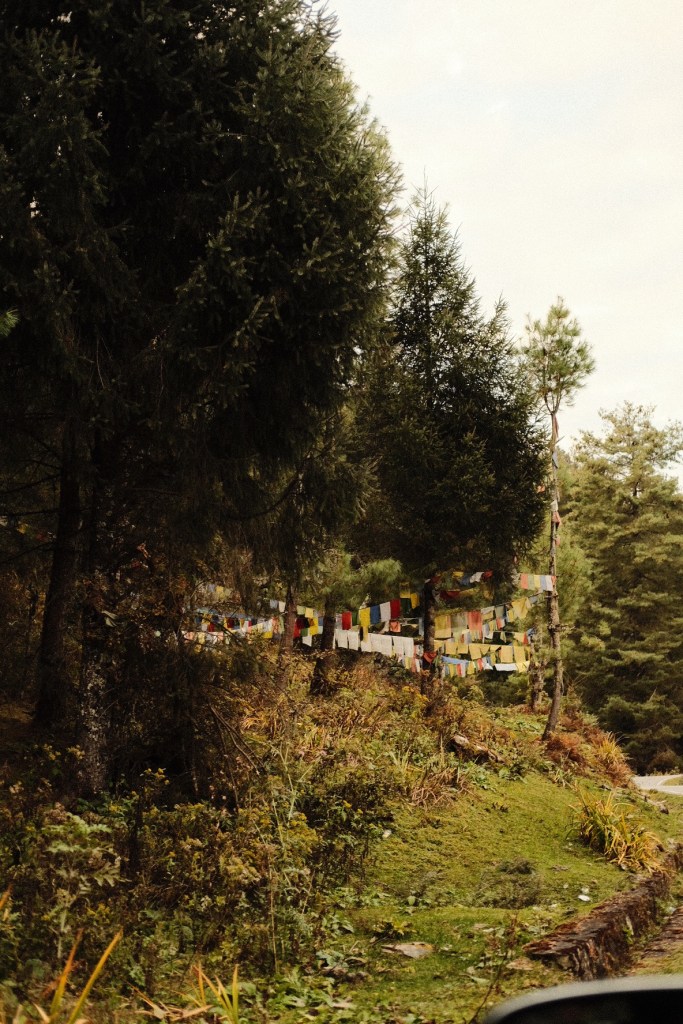
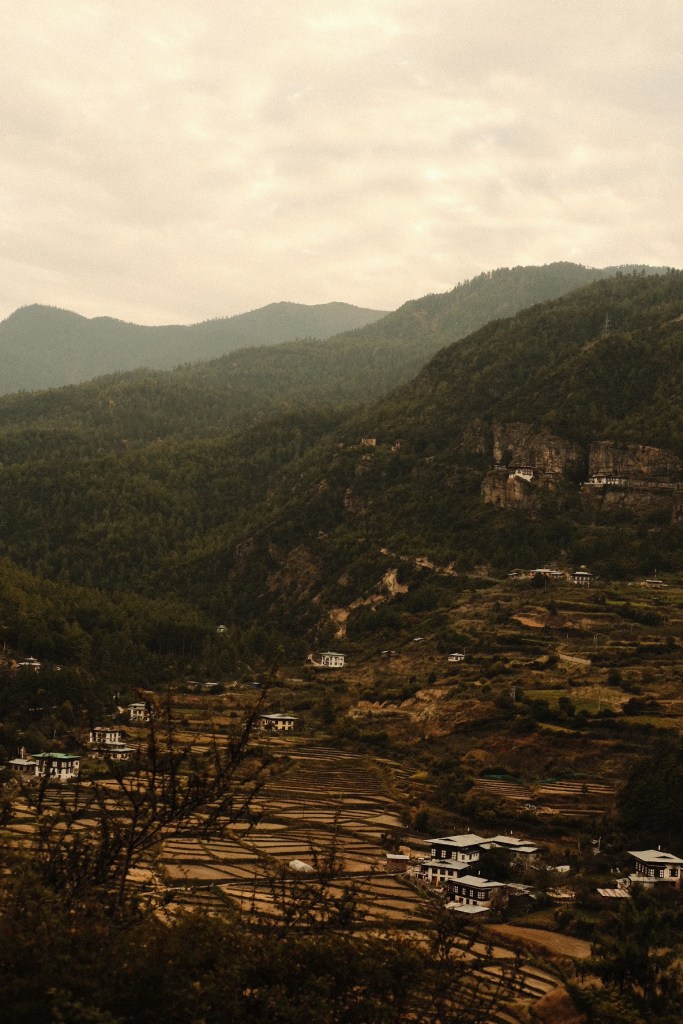
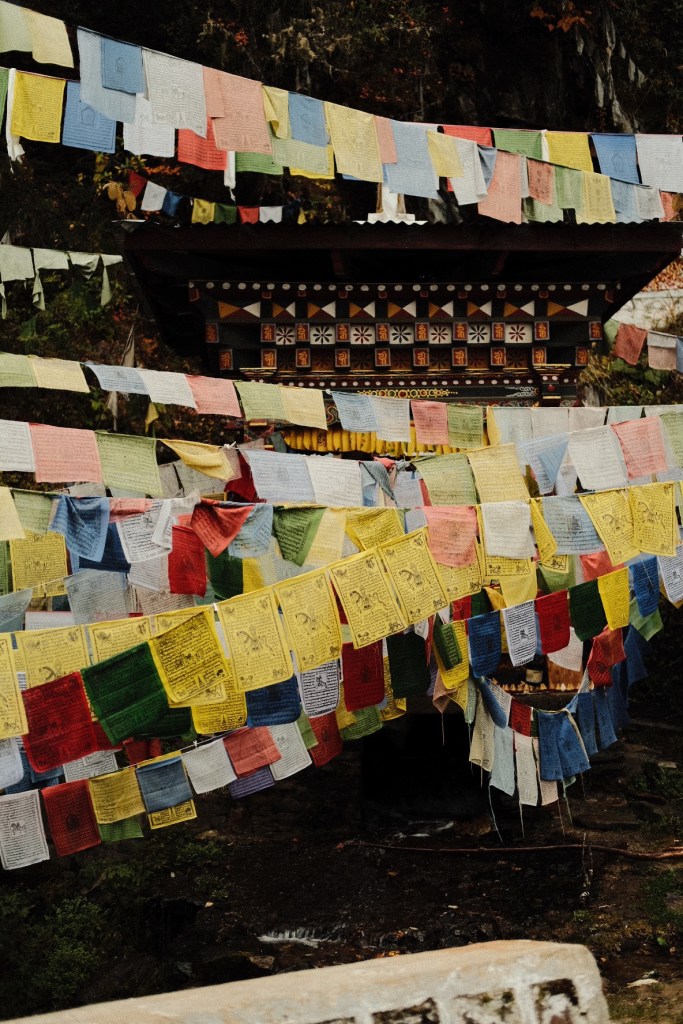

The sun sets at around 5:30/6pm in Bhutan, so it was dark by the time we crossed the Chelala pass, but we will pass it on our way out of Haa and will make sure to take some photos.
We reached the Risom Resort (two buildings overlooking the valley, and our hotel for the next two nights) just in time for a delicious dinner.
Seated in a large, wooden room next to an wood-burning oven, we were served hot tea, steamed and fried vegetables, and dumplings filled with a local plant that looks like wilted spinach and tastes completely different — it’s a speciality of the Haa Valley and is served with a red chili sauce that is so spicy it will burn your mouth (renaud ate it happily, fee nearly cried) along with rice and lentil soup.
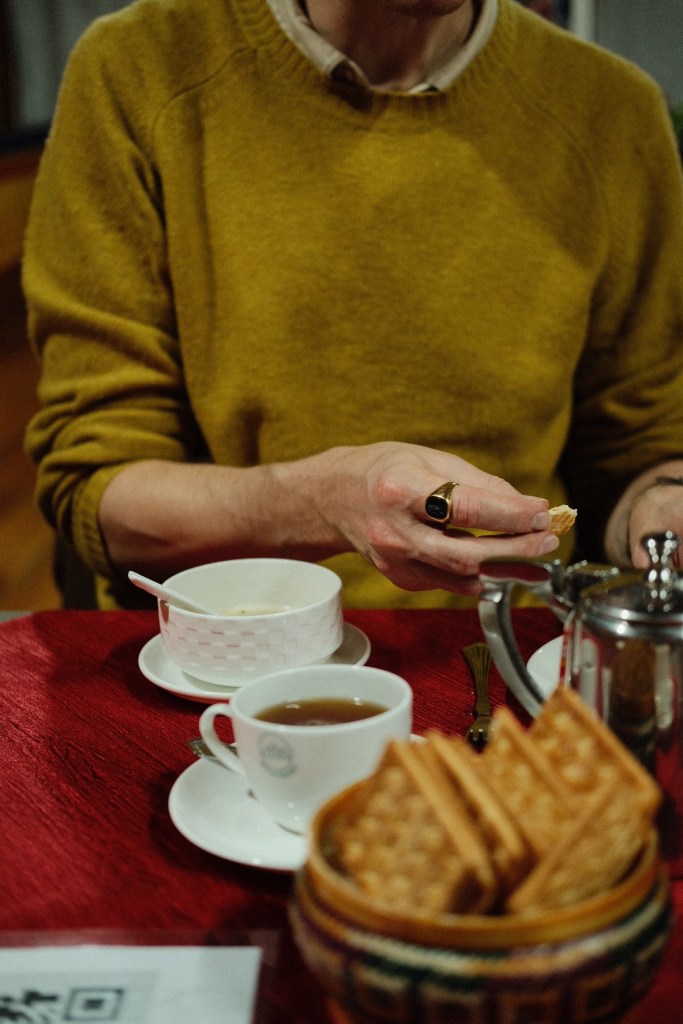

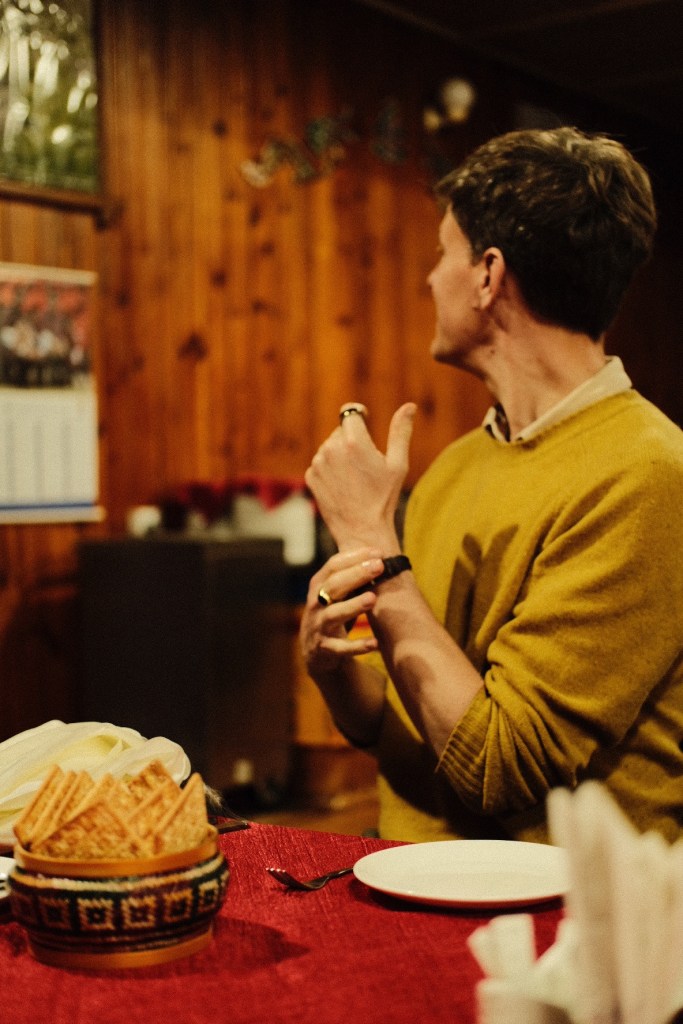
After dinner we were shown to our room, a cosy wood-panelled space with windows overlooking the valley, and a comfortable bed in which we promptly collapsed.
Dead to the world, but so happy to be here.

 Renaud and Fee
Leave a reply to honestlyclassydc4ac2f5e4 Cancel reply